
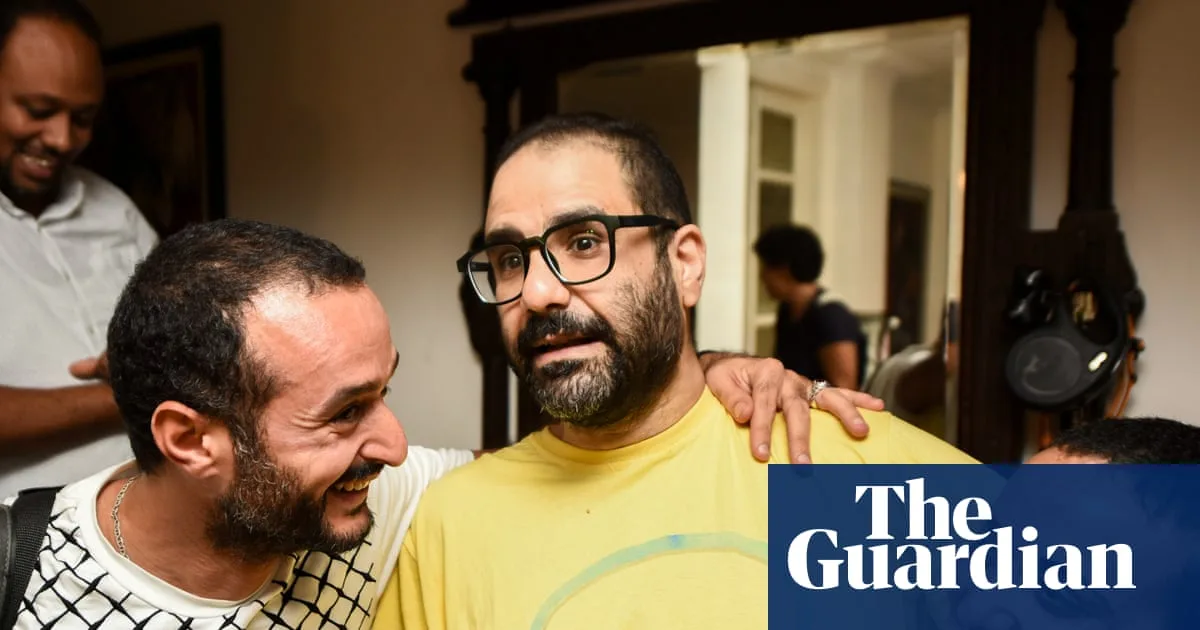
British-Egyptian human rights campaigner Alaa Abd el-Fattah has issued an unreserved apology for tweets written more than a decade ago, which he described as 'shocking and hurtful'. The apology comes after the tweets were highlighted by shadow ministers, sparking criticism of Prime Minister Keir Starmer's support for Abd el-Fattah following his release from an Egyptian prison and arrival in the UK.
In a statement released early Monday, Abd el-Fattah acknowledged the tweets, which included references to killing Zionists and derogatory remarks about British people, were written during a period of regional crises and online 'insult battles'. He expressed regret for the language used, stating: 'I do understand how shocking and hurtful they are, and for that I unequivocally apologise.' He attributed the posts to the anger and frustrations of a younger man deeply involved in antagonistic online cultures.
The activist, who spent over a decade in Egyptian prisons for his pro-democracy activism, defended his real-world record of advocating for equality, human rights, and minority rights, including LGBTQ+ rights. He claimed some tweets had been deliberately misconstrued, such as one allegedly showing homophobia which he said was actually ridiculing homophobia. He also rejected accusations of antisemitism, citing his efforts to defend religious minorities in Egypt.
Abd el-Fattah's British citizenship, granted automatically in 2021 under a law allowing mothers to pass citizenship to children born abroad, has faced calls for revocation from Conservative leader Kemi Badenoch and others. Nigel Farage reported him to counterterrorism police. Abd el-Fattah expressed dismay that the controversy overshadowed his first opportunity to celebrate his son's birthday since 2012, having been imprisoned for most of his son's life.




