
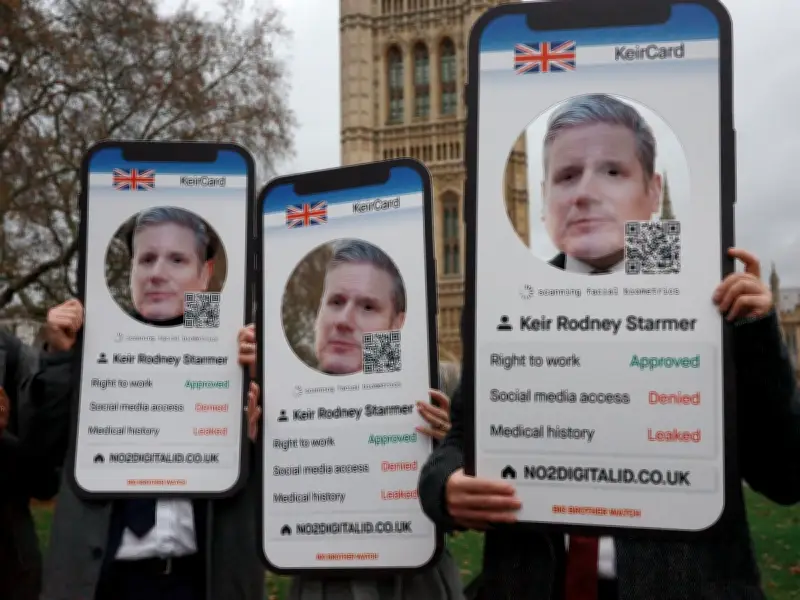
Andy Burnham has vowed to scrap the digital ID scheme in a “reset of priorities” once he becomes Prime Minister. The new Labour leader abandoned the controversial scheme, redirecting funds elsewhere to better reflect public needs.
Background of the Digital ID Plan
In September last year, Keir Starmer announced that digital ID would be mandatory for proving the right to work in the UK by 2029. The move faced huge opposition, including a petition demanding ministers back down, which attracted three million signatures. While ministers had already watered down plans, stating there would be no requirement to use digital ID, the plans will now be dropped completely.
Burnham's Statement
A spokesperson for Mr. Burnham said: “One of the first things this government will do is put its focus where people need it right now: creating breathing space and delivering change they can feel in their everyday lives. That means all the time and resource that was going to be spent on a national ID scheme will go instead to where it’s most needed, such as helping with the cost of living. This government is determined to bring power back to communities, instead of hoarding it in Whitehall. We will work every day to lift this country back up to where it belongs - with growth in every postcode, and hope in every heart.”
Impact on Right to Work Checks
Right to work checks will remain mandatory for employers, and employers can already carry them out digitally. Labour sources say the decision is an early demonstration of new priorities in Downing Street, allowing communities to focus on what they need.
Upcoming Speech
Mr. Burnham will deliver his first speech as Prime Minister on Monday, in which he is expected to set out plans to provide “breathing space” on the cost of living and bring economic growth to every part of the UK.
Previous Criticism and Public Concern
Previously, the cross-party Home Affairs Committee accused the Government of rushing plans for digital ID without doing the necessary policy work or getting voters onboard. Earlier this month, polling found more than half of people in the UK were worried about the Government tracking them if they have a digital ID. Polling carried out by Deltapoll found that 61% are concerned that where and when a digital ID is used could be monitored.




