
In the wake of the assassination of conservative activist Charlie Kirk, a close ally of Donald Trump, the US has been gripped by a bitter debate over the relationship between political speech and violence. Kirk was shot dead while speaking to college students in Utah earlier this month. The Trump administration has since signalled a tougher line on hate speech, with Attorney General Pam Bondi stating that the administration would 'absolutely target' those who espouse such speech. Bondi later walked back some remarks after criticism from conservatives concerned about reframing free speech as hate speech.
The response marks a significant shift for many American conservatives, who had long decried leftwing 'cancel culture' but now appear to embrace what they call 'consequence culture'. House Representative Nancy Mace, echoing language often used by progressives, declared that 'free speech isn't free from consequences'. Meanwhile, a public campaign has emerged to get Americans fired for making light of Kirk's death or disparaging his politics.
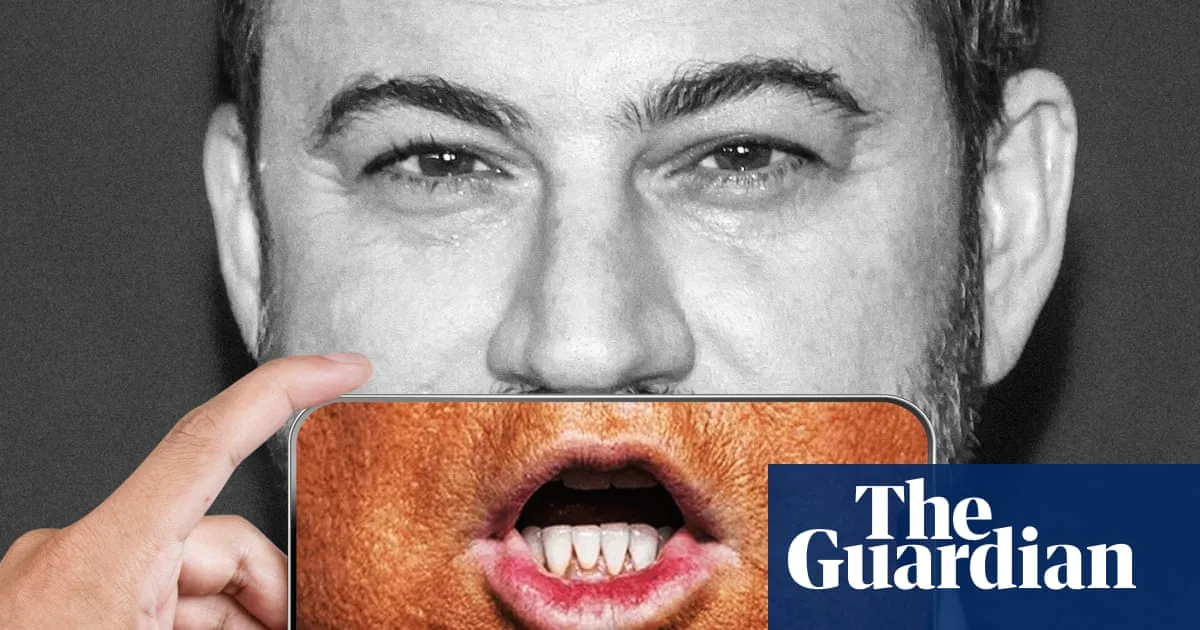
Administration officials are drafting an executive order for Trump aimed at 'combating political violence and hate speech', according to the New York Times. The pressure campaign's biggest target so far is talk show host Jimmy Kimmel, whose show was suspended indefinitely by ABC after the FCC chair urged networks to drop it. The chair, Brendan Carr, had previously described free speech as a crucial check on government control.
Aaron Terr of the Foundation for Individual Rights and Expression criticised the response, saying officials are 'using the tragedy to justify a broad crackdown on speech' and 'openly collapsing the distinction between political dissent and political violence'. Veena Dubal, a law professor at UC Irvine, called Bondi's rhetoric an 'alarming threat' that signals the administration does not understand the First Amendment.




