Taliban's 12th Public Execution: 13-Year-Old Boy Kills Family's Murderer Before 80,000
13-Year-Old Carries Out Public Execution for Taliban

In a stark and chilling echo of its brutal past rule, the Taliban regime in Afghanistan has overseen its twelfth public execution since seizing power in 2021. The latest spectacle saw a 13-year-old boy shoot dead the man convicted of murdering 13 members of his family, including women and children, in front of a crowd of tens of thousands at a sports stadium.

A Juvenile Executioner and a Stadium of Spectators

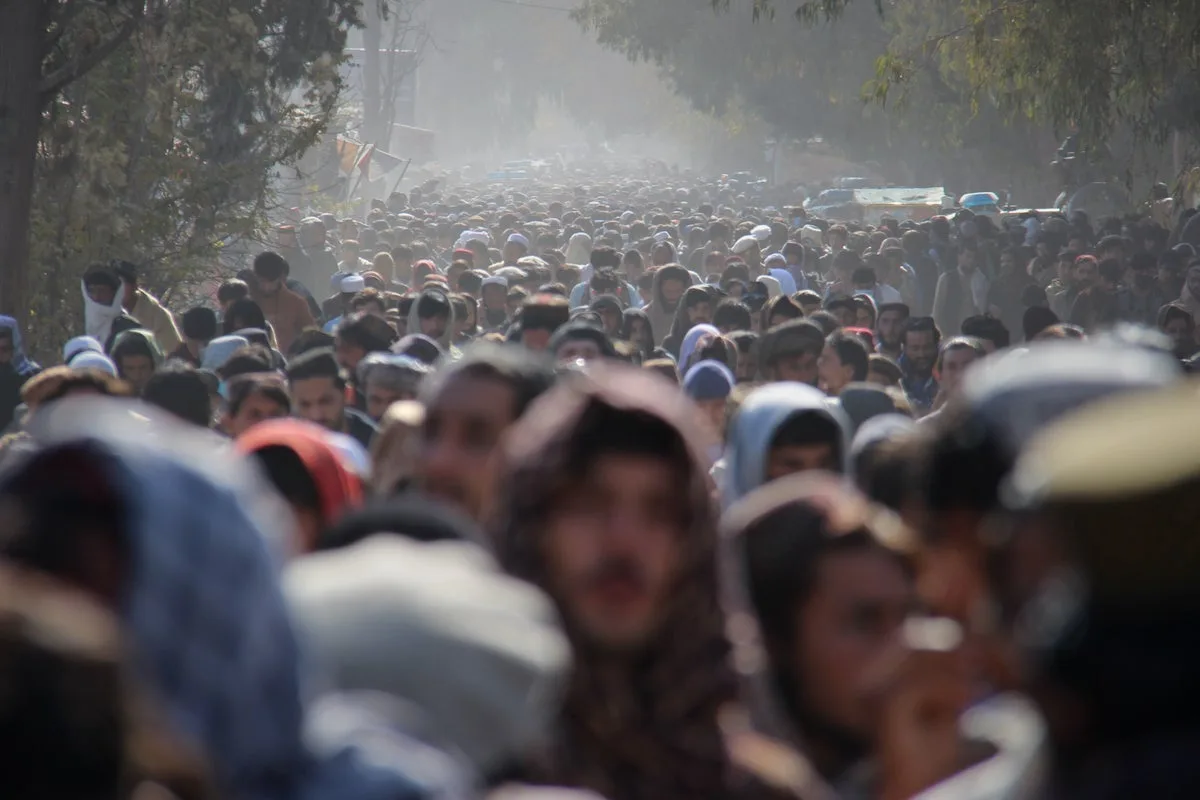
The execution took place on Tuesday, 2 December 2025, in the eastern city of Khost. Approximately 80,000 spectators filled the stadium, many reportedly shouting 'Allahu Akbar' as the teenager fired three shots, enacting the sentence of 'Qisas' or retaliation in kind. The victim, identified as Mangal, had been found guilty of the January 2025 massacre of the boy's extended family in Khost province.

Authorities had actively encouraged public attendance through official notices circulated widely the day before. The country's Supreme Court stated that the victim's relatives had been offered the chance to forgive the killer, which would have spared his life under the Taliban's interpretation of Islamic law, but they insisted on the death penalty.

A Systematic Return to Taliban Justice

This execution is not an isolated incident but part of a deliberate and alarming policy revival. Since the chaotic withdrawal of U.S. and NATO forces and the Taliban's return to power in August 2021, twelve men have now been publicly put to death. Each execution order is personally approved by the reclusive supreme leader, Hibatullah Akhundzada, from the movement's heartland in Kandahar.

The judicial process, as described by the Taliban, involves a case being examined 'very precisely and repeatedly' by a primary court, an appeals court, and the Supreme Court itself before the final approval from Akhundzada. This system of 'retaliatory punishment' is a cornerstone of the Taliban's strict implementation of Sharia law, which also includes widespread flogging and the severe repression of women's rights, including bans on secondary and university education and most employment.

International Condemnation vs. Local Justification

The event has drawn immediate and fierce criticism from international human rights bodies. UN Special Rapporteur on Human Rights in Afghanistan, Richard Bennett, condemned such acts as 'inhumane, cruel, and an unusual punishment, contrary to international law', demanding they 'must stop'. Amnesty International has labelled public executions a 'gross affront to human dignity'.

However, some local spectators expressed support. Mujib Rahman Rahmani, a resident at the Khost stadium, argued that such spectacles could deter future crime, stating, 'no one will dare to kill anyone in the future'. This perspective highlights the complex and grim reality of a nation where the Taliban's harsh version of law and order is presented as a solution to chaos.

The spike in public executions creates a jarring contrast with a recent trend of western travel influencers posting glowing videos of their Afghan adventures on social media platforms like Instagram. Afghan activist Dr Orzala Nemat criticised this curated portrayal, accusing it of erasing 'the brutal realities faced by Afghan women under Taliban rule'.

This incident follows a similar public execution in October in Badghis province, where a man was shot three times for murdering a man and his pregnant wife. With the Taliban firmly entrenched and its ideology unchallenged internally, the international community watches with growing concern as Afghanistan reverts to the practices that defined its darkest chapters.




