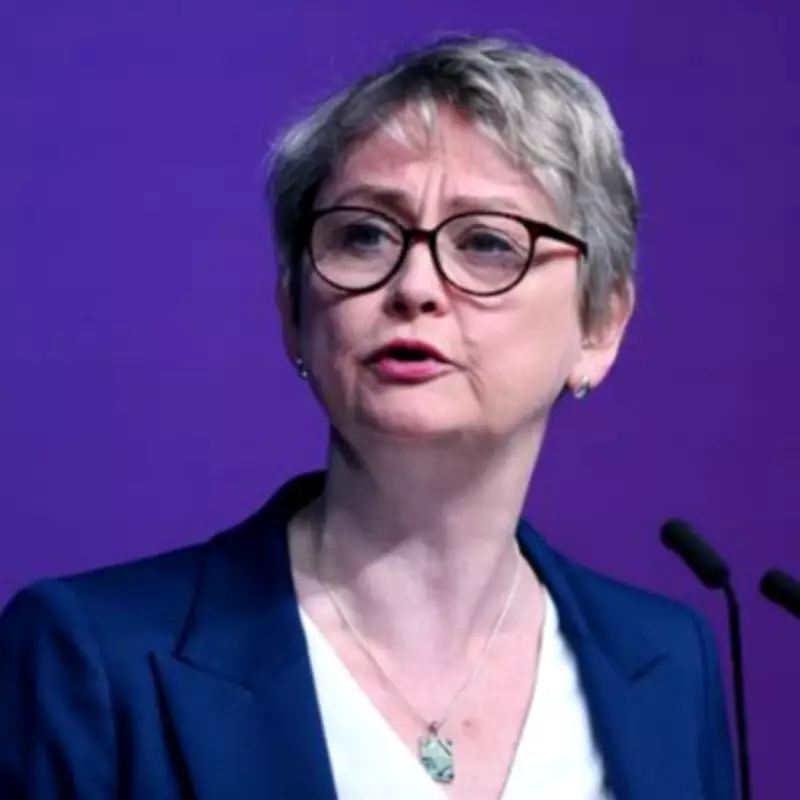
Violence against women and girls represents a 'global emergency', with one in three women worldwide experiencing sexual violence or domestic abuse, according to Foreign Secretary Yvette Cooper. She has called on the international community to recognise the full scale of the threat, particularly as rising conflicts fuel such violence and see rape deployed as a weapon of war.
UK Leads New International Coalition
The United Kingdom is spearheading a new coalition of nations to confront this crisis, bringing together countries including South Africa, Brazil, Morocco, Spain, Jamaica, Bosnia and Herzegovina, and Australia. In an interview with the Mirror, Ms Cooper emphasised the universality of the problem: 'This is not just a national emergency, it's a global emergency. We see countries across the world face similar challenges around sexual violence, around domestic abuse, around stalking, and we need to work together to tackle those serious crimes and threats to women's safety, because wherever you are in the world, women should have the right to be able to live in freedom from fear.'
Domestic Challenges and Political Turmoil
The former Home Secretary acknowledged that the UK must go 'further and faster' in addressing the issue at home. Last year, the government launched what it described as the biggest crackdown on violence against women and girls in British history, pledging to halve cases within a decade. However, the recent resignation of Safeguarding Minister Jess Phillips has cast a shadow over these efforts. Ms Phillips, a key architect of the strategy, stepped down amid last week's political upheaval, accusing Prime Minister Keir Starmer of dragging his feet on protecting children. In a scathing resignation letter, she criticised delays in introducing legislation to prevent children from sharing naked images.

Ms Cooper described the departure as 'a real loss from the government', adding: 'Jess is going to keep championing these issues. She's right to keep pushing the Government every step of the way for stronger action, and we have to keep going further and faster on this.'
Innovative Policing and Global Security Concerns
During a visit to Lewisham Police Station, Ms Cooper observed a pioneering scheme that applies counter-terrorism tactics to target the most dangerous abusers in London. She also addressed broader global security issues, warning that the world risks sleepwalking into a food crisis if the Strait of Hormuz remains closed. The vital waterway has been effectively shut since the start of the US-Iran war, causing economic chaos and holding up shipments of essential fertilisers, which impacts farming worldwide. 'The global economy is being held hostage,' Ms Cooper said. 'We need to support our energy security and our food security across the globe, so we don't have all these countries dependent on choke points and dependent on the activities of hostile states.'