With the 2026 FIFA World Cup kicking off in North America in just under five months, a significant cloud hangs over the tournament for international supporters. Travel restrictions enacted by US President Donald Trump could prevent thousands of fans from attending matches, despite exemptions for players and officials.
Bans Impact World Cup Qualifying Nations
President Trump has instituted full or partial travel bans affecting more than 30 countries. Crucially, this list includes four nations that have qualified for the 2026 World Cup, which the United States is co-hosting with Canada and Mexico from 11 June to 19 July.
Fans from Iran and Haiti face a complete ban on entering the US, as these countries were included in the initial iteration of the policy. In a December update, Senegal and the Ivory Coast were added to a list facing partial entry restrictions. The President cited 'screening and vetting deficiencies' as the core reason for the suspensions.
The rules mean that supporters from these nations without pre-existing US visas will effectively be barred from travelling to watch the tournament. This has caused considerable anxiety, particularly among fans currently following their teams at the Africa Cup of Nations in Morocco.
Exemptions for Teams, But Not for Supporters
While the restrictions include a specific exception for players, team officials, and their immediate relatives, no such allowance has been made for ordinary supporters. This disparity has drawn sharp criticism from affected fans.
Senegal supporter Djibril Gueye voiced a common frustration to The Associated Press, stating that if the US is blocking visitors from certain countries, it 'shouldn't agree to host the World Cup'. The potential absence of fans represents a major concern for the tournament's atmosphere, especially considering the 3.4 million spectators who attended the 2022 World Cup in Qatar.
Coaches have also expressed worry. Ivory Coast team coach Emerse Faé said it would be a 'shame' to deny supporters the chance to cheer on their teams. However, he remains hopeful, pointing to a similar issue that was resolved for Ivorian fans travelling to the Africa Cup of Nations in Morocco.
The Search for a Solution: The FIFA Pass
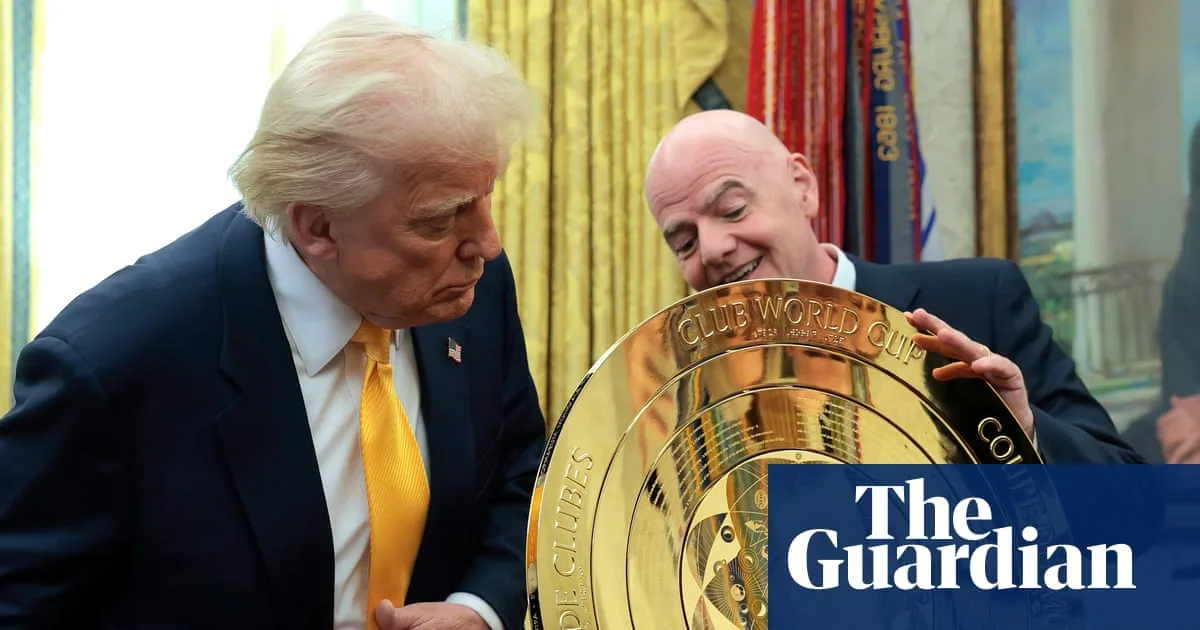
In response to the growing concern, a potential solution was floated in November. President Trump announced a proposed 'FIFA Pass' visa system designed to prioritise appointment scheduling for legitimate football fans.
'I've directed my administration to do everything within its power to make the 2026 World Cup an unprecedented success,' Trump said, adding 'I think it's going to be the greatest.'
FIFA President Gianni Infantino endorsed the concept, stating the pass would ensure ticket-holding fans 'can come and attend the World Cup in the best conditions, starting from getting their visa.'
However, the details and implementation timeline of this system remain unclear with the tournament fast approaching. The situation has also triggered diplomatic repercussions, with Mali and Burkina Faso announcing reciprocal travel restrictions on American citizens after being added to the US no-entry list.
As the clock ticks down to the first match, the world watches to see if a practical resolution can be found to allow all qualified teams to be backed by their passionate supporters on football's biggest stage.