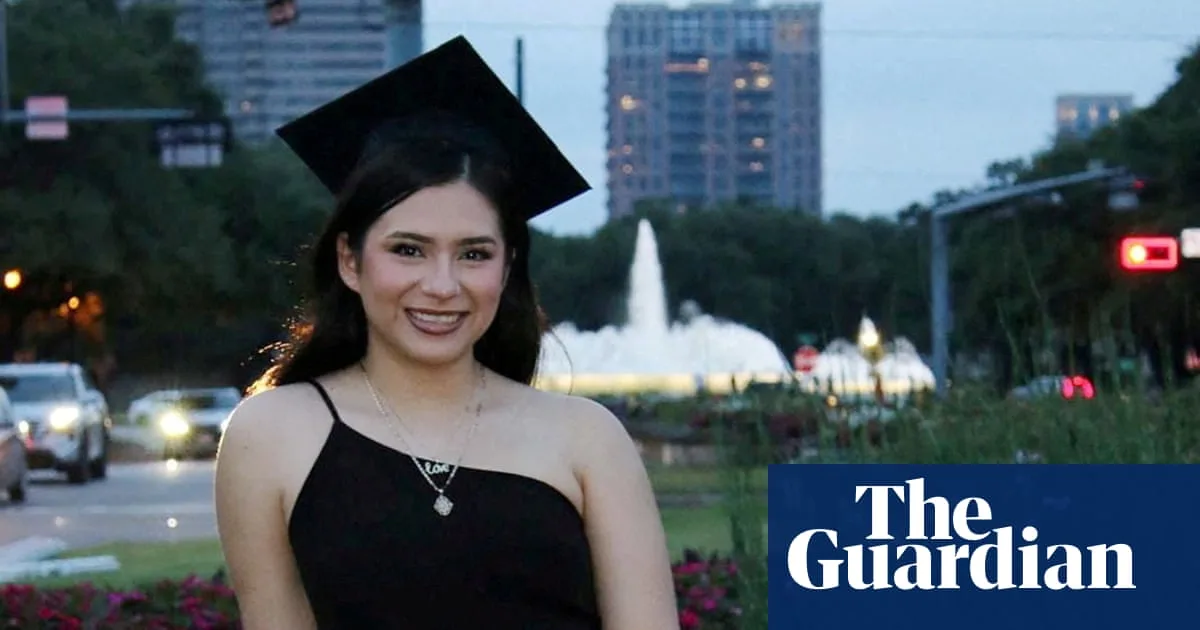
A US federal judge in Boston has given the Trump administration three weeks to rectify the deportation of a 19-year-old college student to Honduras. The student, Any Lucia López Belloza, was deported while travelling home for Thanksgiving, despite a court order that should have prevented her removal.
Judge Richard Stearns imposed the deadline after a government lawyer apologised for violating the court order, calling it a 'mistake'. The judge recommended that the State Department issue López Belloza a student visa, describing this as the 'simplest solution'. Alternatively, he could order her return and hold the government in contempt if it refused.
López Belloza, a freshman at Babson College in Massachusetts, was arrested on 20 November at Boston's Logan Airport. She was trying to travel to Texas to surprise her family for Thanksgiving. A judge issued an order on 21 November barring her deportation or transfer out of Massachusetts for 72 hours, but by then she had already been moved to Texas and was sent to Honduras the next day.
Judge Stearns noted that because López Belloza was outside Massachusetts when her lawyer filed the lawsuit, he lacked jurisdiction over her overall case. However, he said the government could still remedy the 'tragic (and preventable) mistake' of violating the court order. The administration has 21 days to inform the court of its plan.