
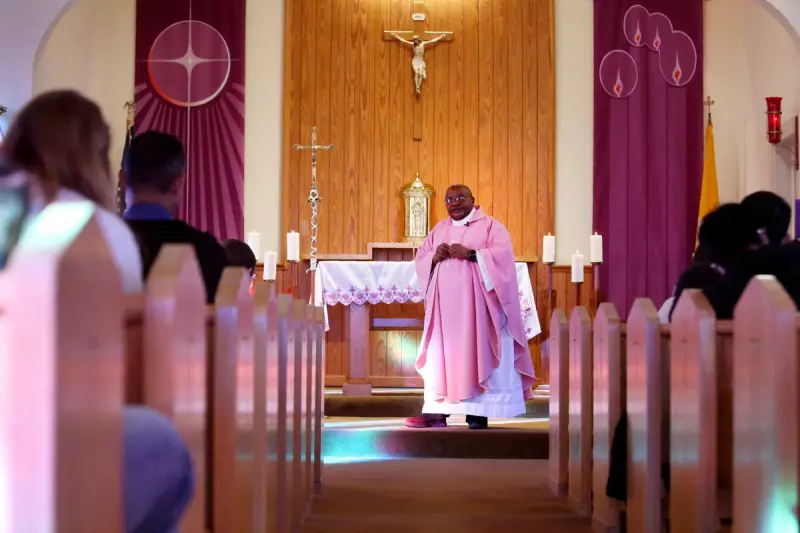
In a significant shift amidst broader immigration restrictions, the United States Department of Homeland Security (DHS) has moved to streamline visa processes for foreign-born religious workers. The new rule, announced on Wednesday 14 January 2026, is designed to reduce lengthy overseas wait times and minimise disruption for American congregations that rely on international clergy.
Key Change to the R-1 Visa Programme
The regulatory fix addresses a critical bottleneck for holders of the temporary R-1 religious worker visa. Previously, these individuals—including pastors, priests, nuns, imams, and rabbis—faced a mandatory requirement to leave the United States for one full year after reaching the maximum five-year limit on their visa. This rule became a severe problem after a 2023 change in government processing dramatically lengthened wait times for permanent residency, meaning most could no longer secure a green card within their five-year visa window.
The new DHS rule removes that one-year departure mandate. While R-1 visa holders will still need to depart the US after five years, they can now apply to re-enter immediately, rather than facing a lengthy enforced absence from their congregations. "We are taking the necessary steps to ensure religious organizations can continue delivering the services that Americans depend on," DHS stated, emphasising the essential role of clergy in the nation's social fabric.
Broad Support from Faith Leaders and Legal Experts
The change has been warmly welcomed by immigration attorneys and religious communities across the United States. Lance Conklin, a Maryland-based immigration lawyer representing evangelical churches, called it a "huge deal" that prevents major organisational disruption. The U.S. Conference of Catholic Bishops praised it as a "truly significant step to support essential religious services."
Olga Rojas, immigration counsel for the Archdiocese of Chicago, exclaimed "Hallelujah!", highlighting the relief for parishes and schools that depend on valued religious workers. The U.S. Catholic Church, facing a well-documented priest shortage, has long relied on foreign-born clergy. Other traditions, from Buddhism to Pentecostal Christianity, also recruit internationally to serve growing non-English-speaking congregations or for specialised theological training.
Root of the Problem: The 2023 Green Card Backlog
The crisis stemmed from a procedural change in March 2023 under President Joe Biden's administration. The State Department began processing migrant children with "Special Immigrant Juvenile Status" from Guatemala, Honduras, and El Salvador in the same queue as religious workers applying for EB-4 special immigrant green cards. This created massive new backlogs in a system where annual quotas are already exceeded by demand.
While exact numbers are unavailable, it is estimated that thousands of religious workers are now stuck in the green card system or have been unable to apply. The backlog grew so severe that in summer 2024, the Catholic Diocese of Paterson, New Jersey, and five affected priests sued DHS, the State Department, and U.S. Citizenship and Immigration Services. That lawsuit was voluntarily dismissed in autumn 2025 in anticipation of the new rulemaking.
The DHS action follows a bipartisan bill introduced in the U.S. Senate and House in spring 2025, which sought a similar fix to extend visas while green card applications are pending. The new regulation represents a targeted loosening of immigration rules at a time when the Trump administration has tightened many other pathways, underscoring a stated commitment to protecting religious freedom and supporting faith-based communities.