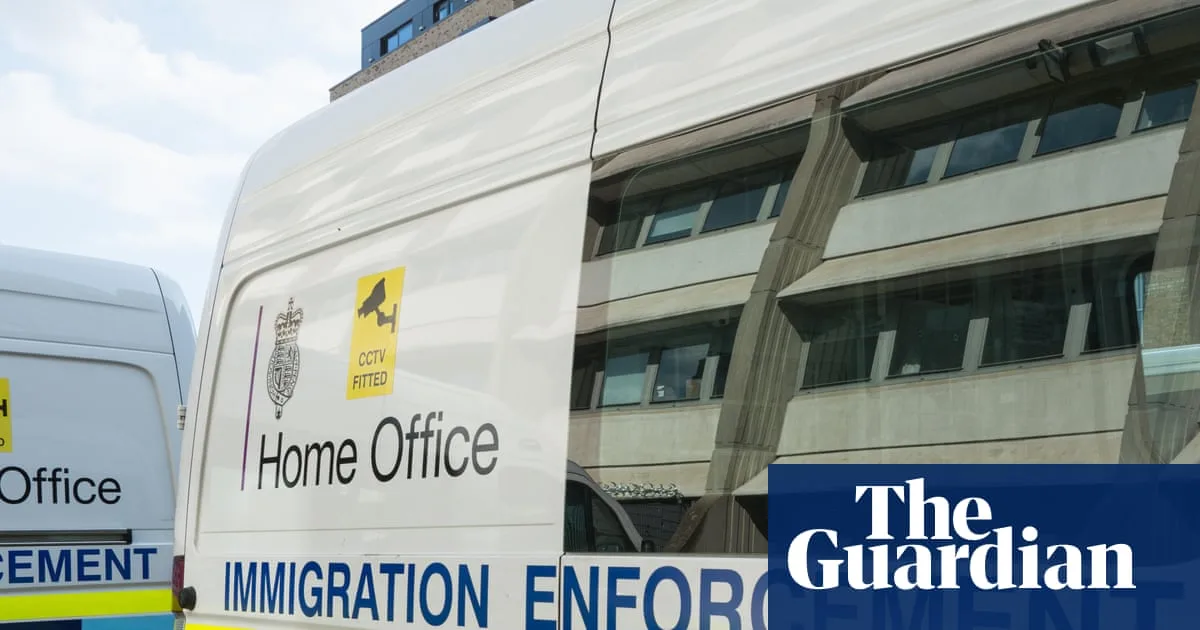
The Home Office has launched a campaign to directly contact approximately 130,000 foreign students and their families, warning them they will be removed from the UK if they overstay their visas. The move comes in response to what ministers describe as an “alarming” spike in the number of international students who arrive legally on student visas and then claim asylum when their leave to remain expires.
The warning message states: “If you submit an asylum claim that lacks merit, it will be swiftly and robustly refused. Any request for asylum support will be assessed against destitution criteria. If you do not meet the criteria, you will not receive support. If you have no legal right to remain in the UK, you must leave. If you don’t, we will remove you.”
Jo Grady, general secretary of the University and College Union, criticised the campaign as an “attack on international students” that has “very little to do with visa overstays and everything to do with apeing Reform”. She argued the government should instead promote a welcoming and economically strong Britain that values international students and a world-leading higher education sector.
Home Office data shows that in the year to June 2025, 43,600 asylum seekers arrived on small boats, accounting for 39% of all claims. Meanwhile, 41,100 claims came from people who entered legally with a visa, with students making up the largest group at 16,000 last year – nearly six times the number in 2020. Although there has been a 10% drop since then, ministers want the figures to fall further.
The government is under pressure from opposition parties, including the Conservatives and Reform, to declare a “national emergency” on migration and illegal immigration. Home Secretary Yvette Cooper has declined to guarantee that migrants will be sent back across the Channel this month as part of a returns agreement with France, but said the first returns under the pilot scheme are expected in late September. She contrasted her “practical and sensible” approach with the previous government’s Rwanda scheme, which “spent £700m and sent four volunteers after running it for two years”.