UK Refugee Resettlement Plummets 26% as New 'Safe Routes' Promised
UK refugee resettlement falls 26% as new routes promised

The number of refugees granted permission to settle in the United Kingdom through official United Nations schemes has fallen sharply, dropping by more than a quarter in just one year. New statistics from the Home Office reveal a significant contraction in these vital pathways at a time when the government is promising to create new ones.

A Sharp Decline in Resettlement Numbers

Official data shows that only 7,271 people were granted protection in the UK via refugee resettlement programmes in the year ending September 2025. This marks a substantial 26% decrease from the 9,872 individuals allowed entry under the same schemes in the previous 12-month period to September 2024.

Approximately half of those resettled in the latest year were Afghans whose lives were put in immediate danger. This followed an accidental data breach by a UK defence official based in London, which leaked the personal details of nearly 19,000 individuals applying for resettlement along with their families.

Government Promises Amidst Pathway Suspensions

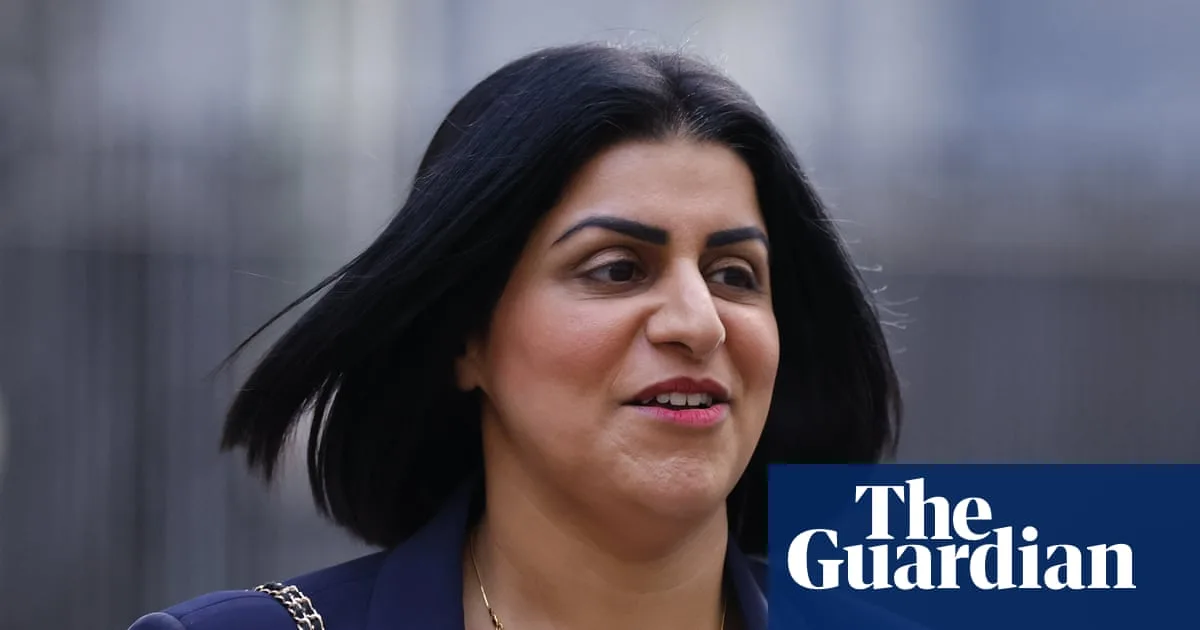
The concerning figures were published just two weeks after the Home Secretary, Shabana Mahmood, defended a series of hardline asylum policies. She simultaneously announced an intention to launch three new "safe and legal" routes for refugees to enter the country.

However, Mahmood indicated these new corridors would begin by admitting only "a few hundred" people, describing the initial number as "modest." This pledge comes after the government suspended a separate scheme in September that allowed refugees already in the UK to reunite with their family members.

When asked for details about the proposed new routes, the UN High Commissioner for Refugees (UNHCR) confirmed to The Guardian that it was still awaiting specific information from the UK government.

Criticism from Refugee Charities

The Refugee Council has responded with alarm to the latest statistics. Its chief executive, Enver Solomon, stated the numbers prove that the few existing safe routes are "disappearing just when they're most needed."

"When legal routes aren't available, people are pushed towards smugglers and dangerous journeys," Solomon warned. He highlighted that the suspension of family reunion schemes disproportionately affects women and children, making it harder for separated families to find safety together.

Solomon called for concrete action, urging the government to "set out how many people it intends to help each year and how it will grow safe routes so families have a genuine alternative to perilous journeys" if it is serious about combating people smuggling.

Breakdown of Resettlement Programmes

The Home Office data provides a detailed look at where the remaining resettlement places have gone:

  • 3,686 people came via the Afghanistan Response Route, established specifically for those endangered by the MoD data leak.
  • 1,087 individuals were Afghan translators and aides to UK forces, resettled under the Afghan Relocations and Assistance Policy (ARAP).
  • 1,658 people arrived through the Afghan Citizens Resettlement Scheme.
  • 830 refugees were resettled via the UK Resettlement Scheme, which relies on referrals from the UNHCR.
  • Only four people entered under the Mandate Scheme for reuniting with close UK-based relatives, down from 23 the year before.

In a related development, the government has removed 153 people through its "one in, one out" returns agreement with France, while accepting 134 individuals whose asylum claims were deemed valid.

A New Direction for UK Asylum Policy

On 17 November, Shabana Mahmood outlined a sweeping overhaul of the asylum system. Key proposals include ending permanent protection for refugees, who would instead have their status reassessed every 30 months. The plans also involve escalating the removal of failed applicants and their children, and seizing assets from individuals who arrive via small boat crossings across the Channel.

A Home Office spokesperson reiterated the government's commitment, stating: "This government committed to protecting genuine refugees who are fleeing war and danger. That is why as part of the most sweeping reforms to the asylum system in modern times, we will open new, legal and safe routes into the country to protect those in need."

The stark decline in UN-facilitated resettlement places the government's forthcoming new routes under intense scrutiny, as charities and advocates demand tangible alternatives to dangerous irregular journeys.




