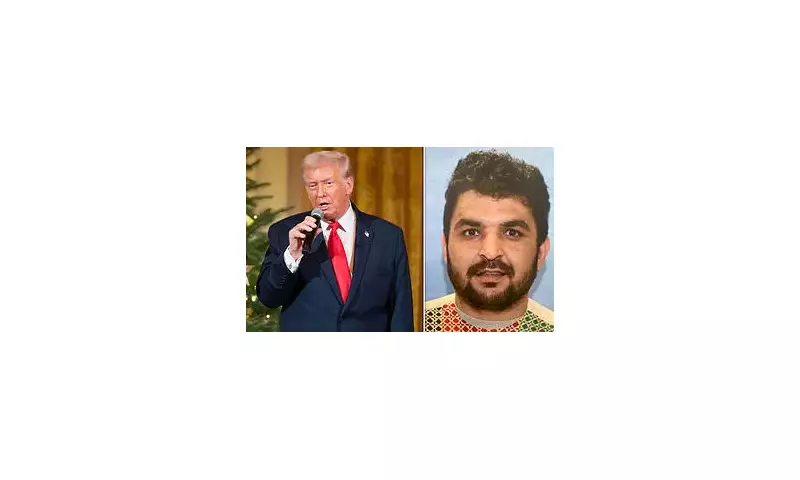
The Trump administration is set to significantly widen its controversial travel ban, adding more than 30 countries to the list of restricted nations. This major policy escalation comes in direct response to the fatal shooting of a National Guard specialist in Washington DC last month, allegedly carried out by an Afghan immigrant.
Policy Expansion Following a Tragedy
Homeland Security Secretary Kristi Noem made the announcement during an interview with Fox News host Laura Ingraham on Thursday night. She confirmed the expansion would build upon an existing ban, first announced in June, which barred or restricted travel for citizens from 19 countries.
"I won’t be specific on the number, but it’s over 30. And the president is continuing to evaluate countries," Noem stated. She justified the move by questioning why the US should admit people from nations that, in her view, lack stable governments or the capacity to assist with vetting processes.
Rhetoric and Rationale Behind the Ban
The administration's rhetoric has grown increasingly stark. Noem had previously suggested imposing a "full travel ban" on countries she accused of sending "killers, leeches and entitlement junkies." In a cabinet meeting, President Trump himself lamented that some Somali immigrants "do nothing but b***h" about America and should "go back to where they came from."
The policy shift is directly linked to the case of Rahmanullah Lakanwal, an Afghan immigrant and former member of a CIA-backed unit. Lakanwal allegedly opened fire on two National Guard members on 26 November, killing 20-year-old Specialist Sarah Beckstrom and critically wounding Staff Sgt. Andrew Wolfe. He had entered the US during the 2021 withdrawal from Afghanistan and was granted asylum in April 2024.
Broader Crackdown on Immigration
This expanded ban is part of a wider suite of measures designed to restrict migration. The US Citizenship and Immigration Services (USCIS) has also reduced the validity period of work permits for refugees and asylees, forcing more frequent vetting. A Department of Homeland Security memo mandates a thorough re-review process for certain migrants, using broad criteria for inadmissibility.
USCIS spokesman Matthew Tragesser framed the actions as essential for national security, stating, "Citizenship is a privilege, not a right. We will take no chances when the future of our nation is at stake." President Trump has vowed to continue a hardline approach, promising to end benefits for noncitizens and deport those deemed a security risk or incompatible with Western civilisation.