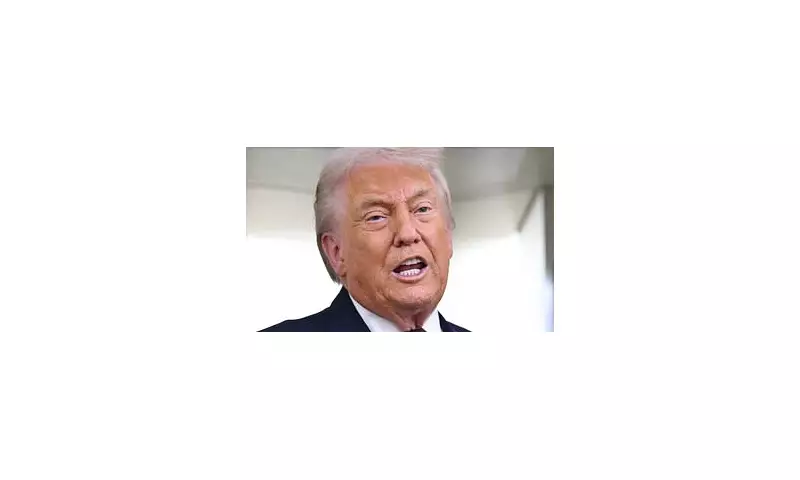
In a significant development following tensions over federal law enforcement actions, President Donald Trump has agreed to withdraw Immigration and Customs Enforcement (ICE) agents from Minnesota. The decision comes after Governor Tim Walz advocated for local authorities to lead the investigation into the shooting of a protester by federal agents.
Governor Walz Secures Concessions in Call with President
Governor Tim Walz's office released a statement detailing a productive telephone conversation between the state leader and President Trump earlier today. During the call, Walz emphasised the critical need for impartial investigations into the Minneapolis shootings that involved federal agents. He also stressed the importance of reducing the federal law enforcement presence within Minnesota's borders to de-escalate the situation.
Key Agreements Reached on Investigations and Coordination
The President consented to several key points during the discussion. Firstly, he agreed to engage with the Department of Homeland Security to ensure that the Minnesota Bureau of Criminal Apprehension can conduct an independent investigation into the incident. This approach aligns with standard investigative procedures that would typically be followed in such cases.
Furthermore, President Trump committed to examining options for reducing the number of federal agents operating in Minnesota. He also pledged to work more closely with state authorities in a coordinated manner regarding immigration enforcement, particularly focusing on individuals convicted of violent crimes.
Minnesota's Existing Cooperation with Federal Immigration Authorities
Governor Walz reminded the President during their conversation that Minnesota already maintains robust cooperation with federal immigration authorities. The Minnesota Department of Corrections consistently honours federal detainers by notifying ICE whenever a person committed to state custody is identified as a non-U.S. citizen.
The Governor's office highlighted that there exists not a single documented instance where the department has released someone from state prison without first offering to facilitate a smooth transfer of custody to federal immigration authorities. This existing framework demonstrates Minnesota's commitment to collaborative law enforcement while preserving state investigative autonomy.