Border Commander Greg Bovino Removed from Trump's Minneapolis Operation After Fatal Shootings
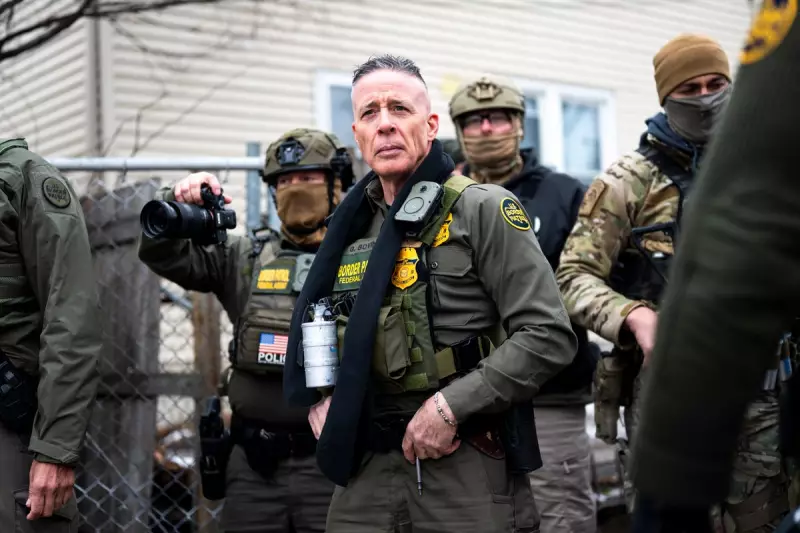
Greg Bovino, the Customs and Border Protection (CBP) Commander at Large who became a viral symbol of the Trump administration's immigration enforcement tactics, has been removed from his role fronting the controversial Minneapolis operation. This decisive move follows the second fatal shooting of a U.S. citizen by officers within a single month, plunging the White House into a late-night crisis management scenario.
Escalating Violence Prompts Presidential Intervention
The immediate catalyst for Bovino's removal was the fatal shooting of 37-year-old Alex Pretti on Saturday, after a confrontation with officers. This tragic incident came just weeks after another demonstrator, Renee Good, also 37, was killed on January 7th. Amid mounting public hostility and intense scrutiny over the Immigration and Customs Enforcement (ICE)-led crackdown, President Donald Trump acted on Monday to overhaul the command structure.
Trump placed border czar Tom Homan in direct charge of Minnesota operations, convened urgent crisis talks with Homeland Security Secretary Kristi Noem and her senior aide Corey Lewandowski, and ordered the 55-year-old Bovino to return to his home state of California. The administration, however, has publicly framed this not as a demotion. Department of Homeland Security Assistant Secretary Tricia McLaughlin asserted on social media platform X that "Chief Gregory Bovino has NOT been relieved of his duties," echoing White House Press Secretary Karoline Leavitt's description of Bovino as "a key part of the president’s team and a great American."
The Polarising Figure at the Heart of the Crackdown
Over the past six months, Greg Bovino evolved into one of the most recognisable—and divisive—faces of Trump's aggressive anti-immigration push. His distinctive jarhead haircut and preference for long military coats made him a frequent target for critics on social media, who drew comparisons to historical fascist imagery. This perception was notably amplified when California Governor Gavin Newsom quipped at the World Economic Forum in Davos that Bovino dressed "as if he literally went on eBay and purchased SS garb."
Bovino's personal history adds a layer of complexity to his role. He is, in fact, the descendant of relatively recent immigrants; his great-grandfather Michele arrived from Calabria, Italy, in 1909 to work in Pennsylvania's coal mines. Born in 1970 in San Bernardino County, California, Bovino's childhood was marked by hardship after his father, Michael, was imprisoned for four months following a drunk-driving incident that killed a young woman. This tragedy led to financial ruin and his parents' divorce.
A Rapid Ascent Fueled by Controversial Tactics
Despite these challenges, Bovino graduated from Western Carolina University in 1993, pursued graduate studies at Appalachian State University, and joined CBP in 1996. His career trajectory was steep, leading sectors in New Orleans and El Centro, California. However, his prominence skyrocketed during the last year following a promotion by President Trump, who reportedly viewed him as a "badass."
His actions in Chicago, which included aggressive "turn and burn" tactics in minority communities and allegations of racial profiling, catapulted him to national fame—or infamy. This notoriety was rooted in his profound dissatisfaction with the Biden administration's immigration policies, which he believed had recklessly undone what he saw as the effective work of Trump's first term.
Divergent Perspectives on Leadership and Legacy
Jenn Budd, a former Border Patrol agent turned immigrant rights activist and author, offered a scathing critique of Bovino's persona. She labelled him "the Liberace of the Border Patrol," characterising him as a "little Napoleon" who cultivates an image of moral superiority and indispensable protection. "It's all a show for him," Budd told The Times, suggesting his leadership was more about performance than substance.
As Bovino exits the Minneapolis stage, the operation continues under new management. The removal of such a high-profile commander underscores the severe political and operational pressures triggered by the fatal shootings, signalling a pivotal moment in the administration's contentious border enforcement strategy. The consequences of these choices, as Bovino himself might acknowledge, are now unfolding in real-time.