The administration of US President Donald Trump is reportedly weighing a significant expansion of its controversial travel ban, with 32 additional countries potentially being added to the list. This development comes in the wake of a fatal shooting incident in the nation's capital last week.
Shooting Incident Triggers Policy Review
The potential policy shift follows a tragic event in Washington, D.C. on Wednesday 3 December 2025. Two members of the National Guard were shot, resulting in one death and one individual sustaining serious injuries. An Afghan national named Rahmanullah Lakanwal has been accused of carrying out the attack. Court records show Lakanwal has entered a plea of not guilty to the charges.
This incident has directly influenced the administration's review of immigration and entry protocols. Officials are now considering whether to broaden existing travel restrictions, which were initially designed to prevent individuals from specific nations from entering the United States.
Details of the Proposed Expansion
Currently, the travel ban applies to citizens from 19 nations. The proposed expansion would see the list grow substantially to include 32 countries. While the specific nations have not been publicly disclosed, the Department of Homeland Security (DHS) is expected to announce the new additions "soon".
This move represents a major hardening of the administration's stance on immigration. In a related action, President Trump recently ordered a halt to all immigration applications from the 19 countries already subject to the travel restrictions, signalling a broader crackdown.
Political Context and Immediate Reactions
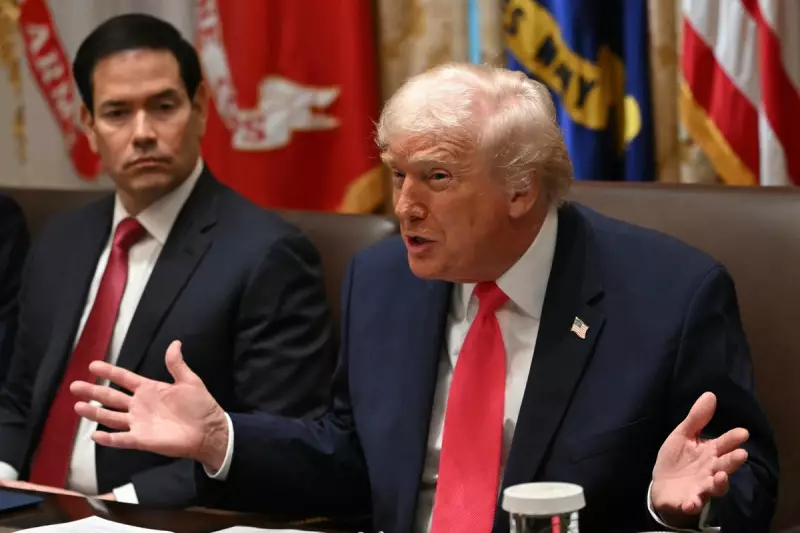
The policy consideration emerged from discussions within the Trump cabinet. The President was seen alongside US Secretary of State Marco Rubio during a Cabinet Meeting in Washington, D.C. on December 2, 2025, just a day before the shooting incident.
If enacted, this expansion would mark one of the most sweeping travel restrictions implemented by the US government in recent years. It is likely to spark intense debate regarding national security, immigration policy, and international relations. The development underscores the administration's continued focus on stringent border controls and vetting procedures as a cornerstone of its national security agenda.
Observers and policymakers are now awaiting the formal announcement from the Department of Homeland Security to understand the full scope and implications of the proposed travel ban expansion.