Trump Imposes Indefinite Asylum Halt After White House Area Shooting
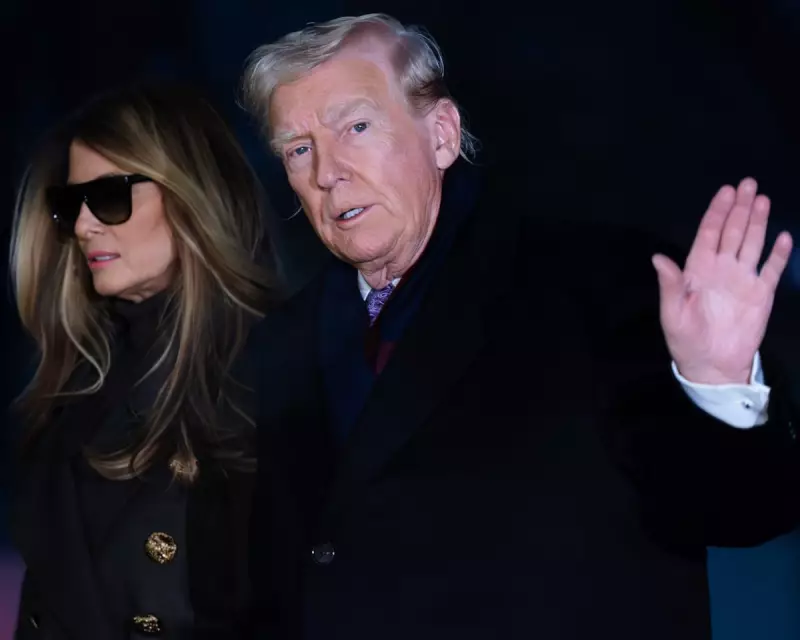
US President Donald Trump has declared his administration will maintain a freeze on asylum decisions for "a long time," directly linking the policy shift to a recent shooting incident near the White House. The announcement came after an Afghan national allegedly shot two National Guard members, resulting in one fatality.
When pressed for a specific timeframe, President Trump stated he had "no time limit" in mind for the measure. The Department of Homeland Security has connected this asylum pause to a list of 19 countries already subject to US travel restrictions. "We don't want those people," Trump told reporters. "You know why we don't want them? Because many have been no good, and they shouldn't be in our country."
National Guard Tragedy and White House Response
The President revealed on Sunday that he has invited the family of the slain National Guard member to the White House. US Army Specialist Sarah Beckstrom, 20, was killed in the Wednesday shooting in Washington DC, while US Air Force Staff Sgt Andrew Wolfe, 24, remains hospitalised in critical condition.
"I said: 'When you're ready, because that's a tough thing, come to the White House. We're going to honour Sarah,'" Trump explained to journalists. "And likewise with Andrew, recover or not." Communities across West Virginia have held vigils remembering the two service members.
Controversy Surrounds Shooting Suspect's Background
Homeland Security Secretary Kristi Noem claimed the suspect, 29-year-old Rahmanullah Lakanwal, was "radicalised" in the United States, while criticising the Biden administration. However, records show Lakanwal's asylum was actually approved under the Trump administration in April 2025.
The suspect had previously worked with CIA-backed units in Afghanistan and entered the US in September 2021 through an Operation Allies Welcome programme. This revelation creates significant political complications for the administration's narrative surrounding the case.
Watchdog Dismantling Raises Abuse Concerns
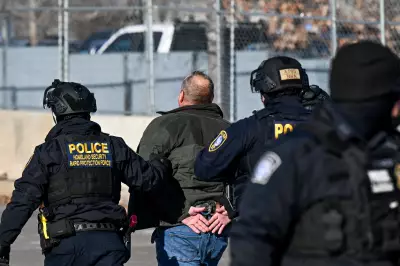
Meanwhile, experts are warning that the systematic gutting of the federal watchdog system within the Department of Homeland Security could enable serious human rights abuses. The oversight mechanism that handles complaints about civil rights violations, including those within immigration detention facilities, has been substantially weakened.
Former federal oversight officials have sounded alarms about the rapid dismantling of these protective measures, particularly concerning as the government intensifies its immigration enforcement operations. Critics argue these changes could allow the administration to "abuse people with impunity."
Other Key Developments
In separate actions, President Trump granted clemency to private equity executive David Gentile, who had recently begun a seven-year prison sentence for what prosecutors described as a $1.6 billion fraud scheme. The founder and former CEO of GPB Capital reported to prison on 14 November but was released on 26 November following the presidential clemency.
Internationally, Honduras conducted elections amid threats from Trump to cut aid to the country if his preferred candidate, 67-year-old Nasry "Tito" Asfura of the rightwing National party, should lose. The President also confirmed he had spoken with Venezuelan leader Nicolás Maduro, though provided no details of their discussion.