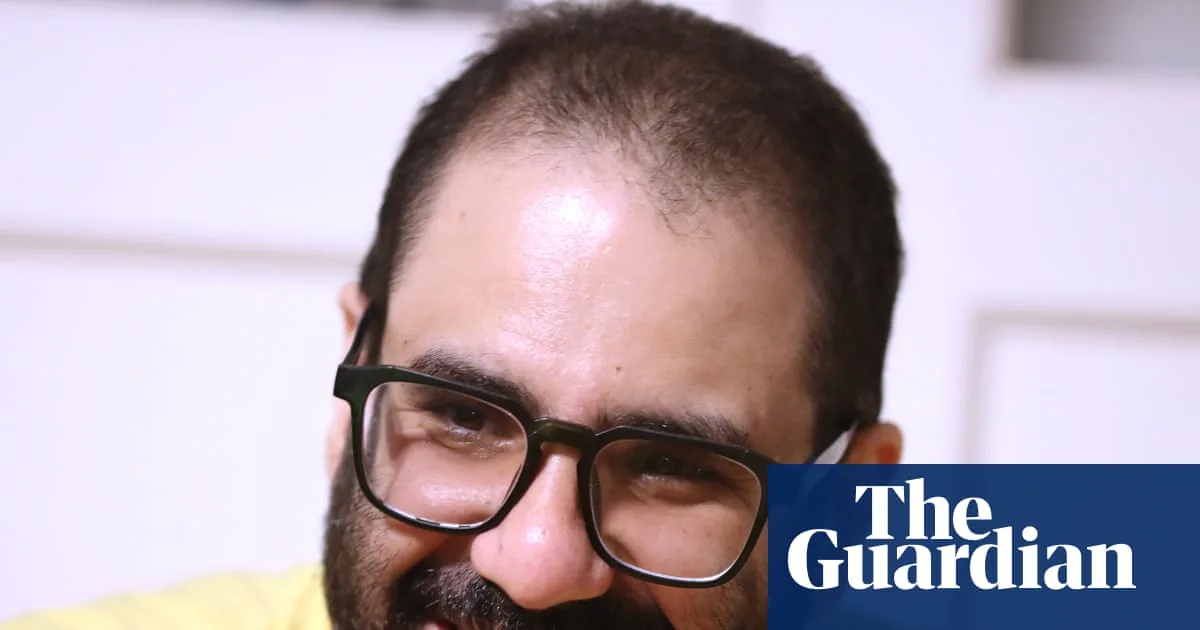
The decision by successive UK governments to campaign for the release and return of British-Egyptian activist Alaa Abd el-Fattah has been called into question after past violent and offensive social media posts surfaced. The dissident's historical remarks, in which he appeared to call for violence towards 'Zionists' and the police, have prompted a widespread backlash since his return from detention in Egypt on Friday.
Prime Minister Keir Starmer faces criticism after initially welcoming Abd el-Fattah back to the UK and saying his release had been a 'top priority' for the government, although it is understood he was not aware of the online posts at the time. Jewish organisations have criticised the 'effusive' response and said the years-long campaign showed a 'lack of due diligence'.
After the disclosure of the social media posts, the UK Foreign Office condemned the 'abhorrent' remarks. A spokesperson said: 'Mr el-Fattah is a British citizen. It has been a longstanding priority under successive governments to work for his release from detention... The government condemns Mr el-Fattah’s historic tweets and considers them to be abhorrent.'

Both the Labour government and its Tory predecessors are expected to face pressure to explain why they campaigned for Abd el-Fattah's release when his posts were already in the public domain. The posts cost him a nomination for the European parliament’s Sakharov prize in 2014 after he called for the murder of Israelis in a 2012 tweet. In 2015, he claimed his comments had been taken out of context.
Robert Jenrick, the shadow justice secretary, called for Abd el-Fattah to be stripped of his dual citizenship and deported, adding he should 'be made to live in Egypt or frankly anywhere else in the world'. Writing to the prime minister, Jenrick said: 'Given Mr Abd el-Fattah’s record of extremist statements about violence, Jews and the police, it was a serious error of judgment.' Nigel Farage also waded into the row, reporting Abd el-Fattah to counter-terrorism police.