
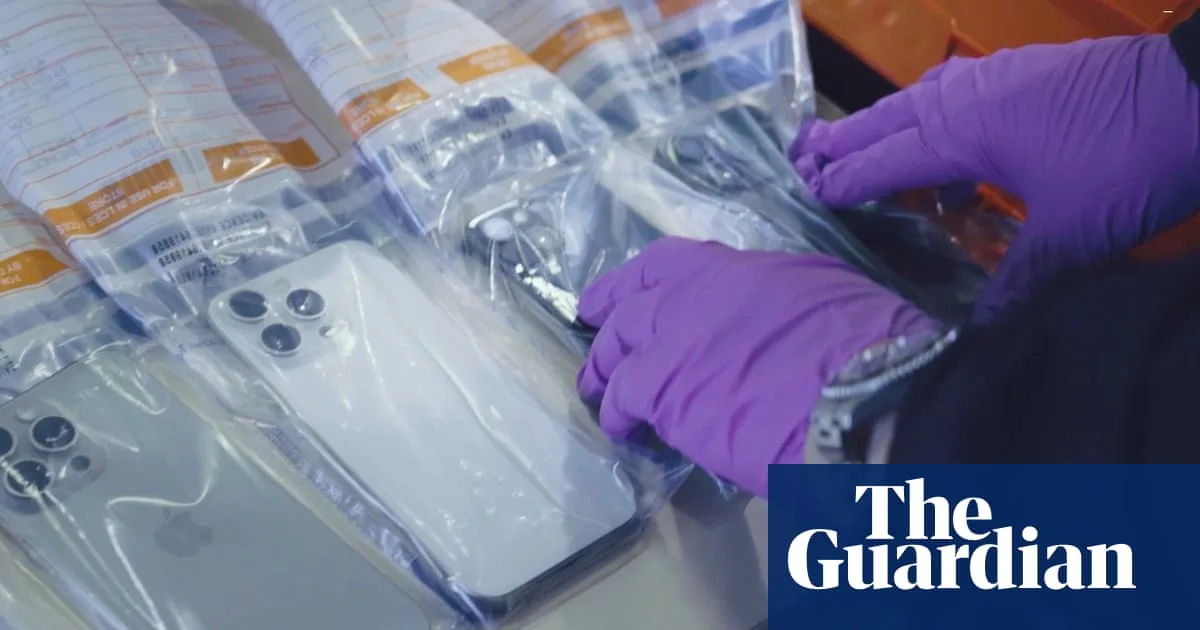
Three men have been charged in connection with what police describe as the UK's largest phone smuggling ring, which is believed to have trafficked up to 40,000 stolen phones from London to China over the past year. The Metropolitan Police said the operation, codenamed Echosteep, disrupted an international network responsible for exporting up to 40% of all phones stolen in the capital.
The investigation began in December 2024 after a box containing around 1,000 iPhones was discovered at a warehouse near Heathrow Airport, destined for Hong Kong. Officers found that almost all the devices had been stolen. Forensic evidence on packages led to the identification of suspects, resulting in a series of arrests.
On 20 September, a man was charged with handling stolen goods after being stopped at Heathrow with ten suspected stolen phones, along with two iPads, two laptops and two Rolex watches. Further inquiries revealed he had travelled between London and Algeria more than 200 times in two years. Two other men in their 30s were arrested three days later in north-east London, with phones found in their car and around 2,000 more devices at linked properties. They have been charged and remanded in custody.
On 25 September, two more men in their 30s were arrested on suspicion of money laundering and handling stolen goods after officers recovered about £40,000 in cash at a phone shop in Seven Sisters Road, Islington. Stolen devices were also seized. They have been bailed pending further investigation. In total, 46 arrests were made during a two-week operation, including 11 arrests targeting gangs robbing delivery vans for the new iPhone 17.
Mayor of London Sadiq Khan praised the Met for responding to Londoners' concerns, noting that robberies and thefts in the capital have dropped by 13% and 14% respectively this year. He called on the mobile phone industry to make stolen devices unusable, saying: 'Criminals are making millions by repurposing stolen phones and selling them abroad... It's simply too easy and too profitable.' Detective Inspector Mark Gavin, leading Operation Echosteep, said smugglers targeted Apple products due to their profitability overseas, with street thieves paid up to £300 per handset and devices sold for up to $5,000 in China.




