
A report from the centre-right think tank Bright Blue has found limited evidence that asylum seekers are falsely claiming to be victims of modern slavery to remain in the UK, contradicting statements by successive home secretaries. The study undermines claims that the modern slavery referral system is being systematically exploited to block deportations.
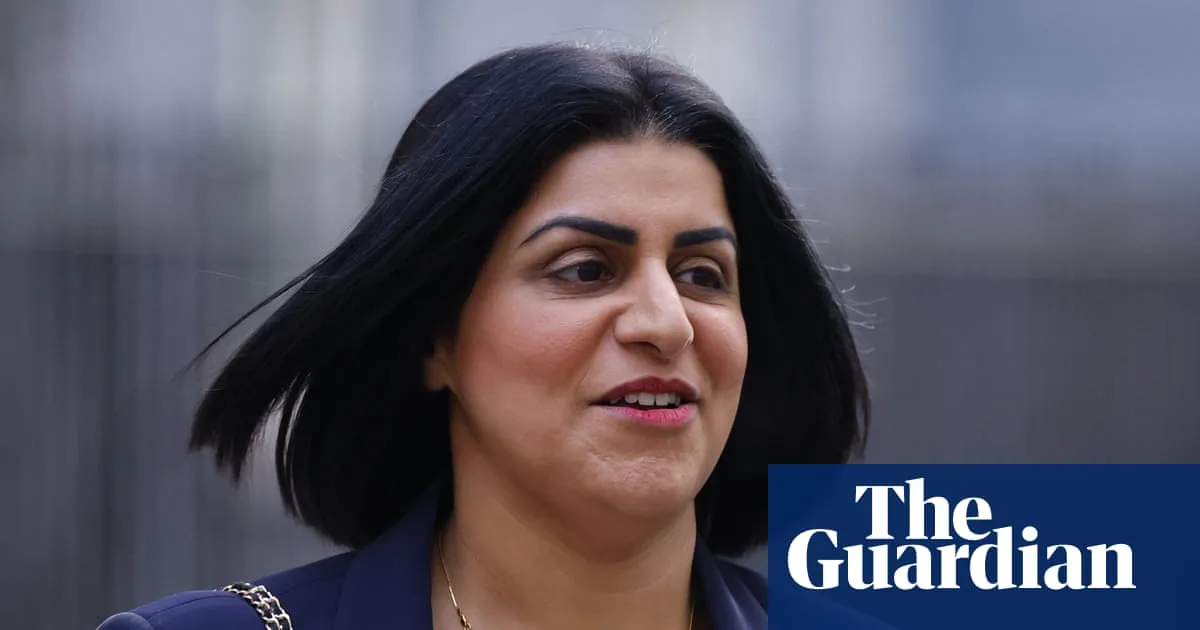
The findings cast doubt on the effectiveness of promised reforms by the Home Secretary, Shabana Mahmood, who has accused asylum seekers of making "vexatious, last-minute claims" after a court blocked the deportation of an Eritrean man. Referrals to the system have risen from just over 3,000 in 2015, when Theresa May introduced the rules, to more than 19,000 last year.
However, the report notes that asylum seekers cannot refer themselves; 97% of referrals come from public bodies such as the Border Force, police, local authorities and the Home Office itself. It found that 90% of referred cases were assessed as having reasonable grounds, suggesting the vast majority are not vexatious. Furthermore, most of those found to be victims do not receive permission to stay in the UK, but rather compensation and only temporary leave.
Bright Blue suggests a new system focused on earlier detection of modern slavery, with training for statutory first responders such as the Home Office and Border Force. Once those organisations are better equipped, the think tank proposes banning individuals in detention, who would already have been assessed, from being referred at all. Ryan Shorthouse, founder and executive chair of Bright Blue, said: "The Home Office thinks the modern slavery referral system is being abused because it allows people to stay in the country a bit longer. But while there may be some abuse, we are sceptical that it is widespread."
A Home Office spokesperson said: "Modern slavery referrals are rising. This is why the home secretary announced reforms … to identify vulnerable people and stop misuse. The statement fundamentally reforms the approach to illegal migration, making Britain a less attractive destination for illegal migrants and harder for people to block their removal from this country."




