The Thames Torso Killer: Victorian London's Other Serial Murderer
While Jack the Ripper's name has become synonymous with Victorian terror, another serial murderer was simultaneously stalking London's streets and waterways. Between 1887 and 1889, the unidentified Thames Torso Killer dismembered at least four women, creating one of England's most chilling unsolved murder mysteries that has been largely overshadowed by the Whitechapel murders.
The Rainham Mystery Begins
On the morning of May 11, 1887, lighterman Edward Hughes made a horrific discovery when he pulled a sack containing a human torso from the River Thames at Rainham. This grim find marked the beginning of what would become known as the "Rainham Mystery." Just one month later, on June 5, Pierman John Morris uncovered a thigh and kneecap near Temple Pier, while additional remains including a lower thorax and upper abdomen were retrieved close to Battersea Pier.
Forensic examination established these remains belonged to the same person - a woman approximately 27 to 29 years old. Tragically, as no head was recovered, she was never identified. These incidents occurred a full year before the first confirmed killing by Jack the Ripper, suggesting London already harboured a different kind of predator.
Parallel Terrors in Whitechapel
While Jack the Ripper claimed his first victim, Mary Ann Nichols, on August 31, 1888, the Thames Torso Killer continued his grim work. Merely a fortnight after Nichols' murder, on September 11, a right arm and shoulder were discovered on a Whitechapel riverbank. Additional remains surfaced in subsequent weeks, with a woman's torso located on October 2 and a leg found on October 17.
Once again, no head was recovered, leaving another victim unidentified. Despite both killers operating in London, particularly in the Whitechapel district, contemporary detectives maintained they were different individuals with distinctly different methods. The Thames Torso Killer's signature involved dismemberment and disposal in the river, creating a macabre pattern that distinguished him from the Ripper's street-based attacks.
The Only Identified Victim
The third victim of the Thames Torso Killer, Elizabeth Jackson, stands as the only one positively identified. Approximately eight months pregnant when she died, Elizabeth's torso was discovered on June 4, 1889. Over subsequent days, additional body parts surfaced, though her head, like those of previous victims, was never found.
After identification of her remains, Elizabeth's partner, John Faircloth, was arrested in Devon on suspicion of her murder. However, police established he had departed London several days before Elizabeth was last seen alive, leading to his release and leaving the case unsolved.
The Final Official Murder and Historical Speculation
The final official Thames Torso murder occurred in 1889, when the headless and legless torso of an unknown woman was discovered on September 10. No further body parts were recovered in this instance, and neither victim nor killer was ever identified.
While these represent the four "canonical" Thames Torso murders, historians have suggested connections to earlier crimes. The "Battersea Mystery" of 1873-1874, where two women were discovered dismembered, and the 1884 "Tottenham Court Road Mystery" may represent earlier work by the same killer. In his book The Thames Torso Murders of Victorian London, R. Michael Gordon proposed connections to additional murders in Paris in 1886 and London in 1902.
The Leading Suspect
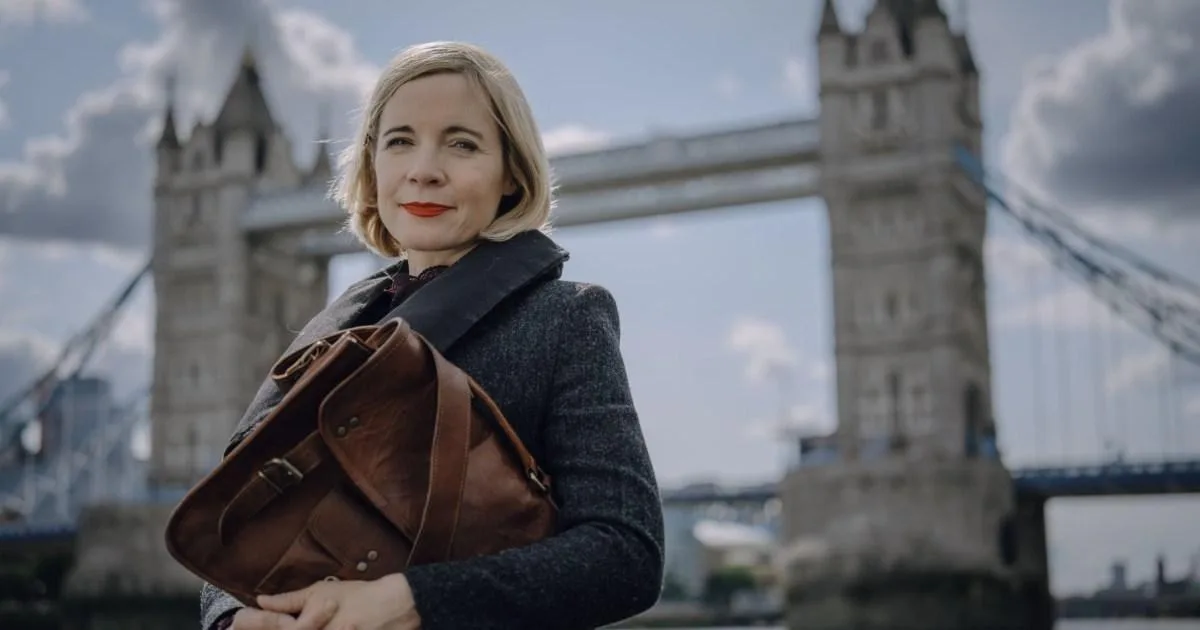
Investigator Sarah Bax Horton has identified waterman and lighterman James Crick as the leading suspect in these incidents, a theory highlighted in the recent BBC documentary series Lucy Worsley's Victorian Murder Club. Despite never being prosecuted for the torso murders, Crick received a 15-year prison sentence for rape and attempted murder in 1889, coinciding with the conclusion of the killer's rampage.
Crick ultimately served eight-and-a-half years, which would have placed him back on London's streets at the time of the 1902 murder before his death in 1907. This timeline, combined with his profession giving him access to the river, has made him the most compelling suspect in a case that continues to fascinate historians and true crime enthusiasts alike.
The Thames Torso Killer's legacy remains one of Victorian London's most haunting mysteries - a shadowy figure who operated alongside history's most infamous serial killer, yet whose identity and complete victim count may never be fully known.




