
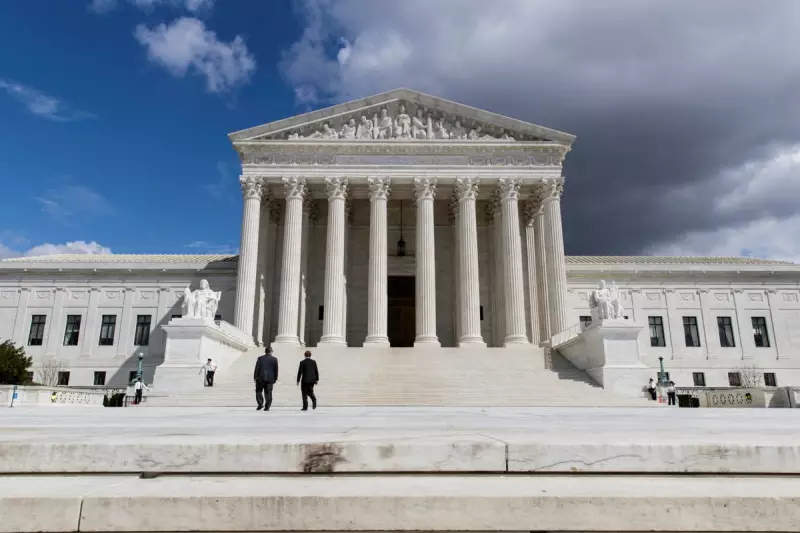
The United States Supreme Court has delivered a temporary but significant rebuke to the Trump administration, siding with immigration judges in a pivotal case concerning free speech and presidential power. The decision, issued on Friday 19 December 2025, allows a challenge to a policy restricting judges' public comments to proceed in federal court for now.
A Technical Win with Broad Implications
While not a final ruling on the merits, the court's order represents a technical victory for the immigration judges and their former union. The justices declined a request from Trump's Solicitor General to immediately freeze a lower court's decision. That earlier ruling had raised serious questions about the administration's handling of the federal workforce, particularly following the high-profile firings of top officials within the federal employee complaint system.
The core legal dispute centres on whether these judges, who are employees of the US Justice Department, must use an internal complaint system to challenge speech restrictions or if they can sue directly in federal court. The judges, who first sued in 2020, argue this is a fundamental free speech issue properly heard before an independent judiciary.
Presidential Power Under Scrutiny
This case unfolds against a backdrop of the Supreme Court actively considering the scope of presidential authority. The justices are currently weighing whether to formally expand a president's legal power to fire officials at independent agencies, potentially overturning job protections established nearly a century ago. The Trump administration has argued that the president's firing powers are absolute and that the lower court had no grounds to question them.
In recent months, the administration has dismissed dozens of immigration judges perceived by allies as being too lenient. The current Supreme Court order, while allowing most of those firings to stand for now, signals that lower courts should proceed with caution. The justices explicitly stated the administration could return to the high court if proceedings advance too quickly.
Potential Ripple Effect for Federal Workers
The implications of this ongoing legal battle extend far beyond the immigration courts. If the judges ultimately prevail, it could open a path for other federal employees across the US government to challenge disciplinary actions or firings directly in court. This is particularly relevant as the internal complaint system is now largely overseen by Trump appointees, raising concerns about its independence.
The decision marks a pause in a series of wins for the Justice Department on the Supreme Court's emergency docket, where the Trump administration had previously prevailed around two dozen times on issues from immigration to funding. The final outcome of this case will be closely watched for its impact on the balance of power between the White House and the federal civil service.