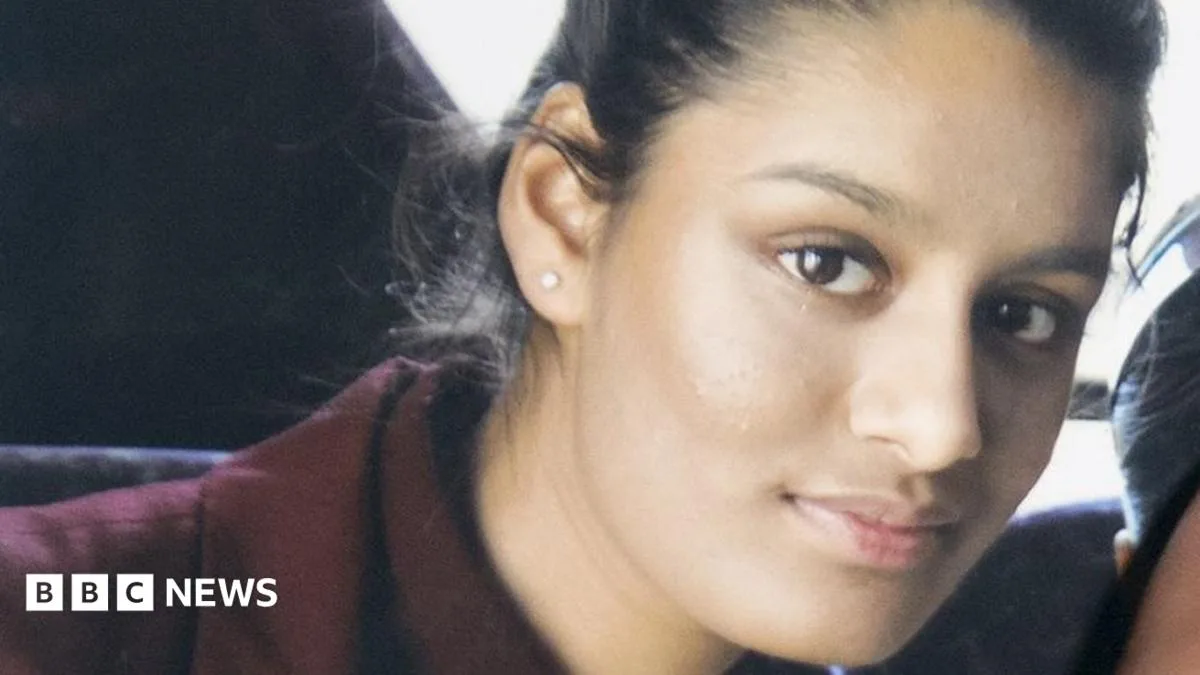
Shamima Begum's Covert Camp Existence: Masked and Ready to Flee Syrian Detention
Shamima Begum's Secret Camp Life: Masked and Ready to Flee

In the confines of the Al-Roj detention camp in north-east Syria, Shamima Begum, the London-born woman who left the UK as a teenager to join the Islamic State, is said to be living a secretive existence, masked and prepared for a swift departure. As Syrian government forces rapidly regain control from Kurdish-held territories, hopes of freedom are reportedly surging among the thousands of detainees held in these tent cities.

Life in the Camp: A Low-Profile Existence

Begum, now 26 years old, is among approximately 2,000 female and child detainees at Al-Roj. According to recent reports, she is keeping her head down, rarely speaking or emerging from her tent. She has been spotted wearing a hoodie and a medical mask while shopping for groceries within the camp, a clear attempt to avoid attention. This covert behaviour aligns with her apparent readiness to flee at a moment's notice, with her bags reportedly packed in anticipation of a potential change in camp control.

Hopes Pinned on Syrian Offensive

The recent Syrian military push into north-east Syria, where it is believed around 80 per cent of land has been retaken from Kurdish forces, has ignited optimism among detainees like Begum. Female camp manager Hekemiya Ibrahim told the Telegraph that Begum and others are hoping this offensive will lead to their freedom, with many prepared to leave immediately. "She never speaks and she never comes out. If you ask them where they're going, they might not tell you. But if you look in their tents, you'll see that their bags are packed," Ibrahim explained.

Begum's situation is particularly complex due to her legal status. She was stripped of her British citizenship, and her attempts to appeal this decision at the Supreme Court were refused, barring her re-entry to the UK. She is one of 15 British or dual-national women held at Al-Roj, and her fate remains uncertain amidst the shifting territorial dynamics.

Camp Dynamics: Radicalisation and Regret

Life within Al-Roj is marked by stark contrasts. On one hand, some detainees remain deeply radicalised, staying hidden with their faces covered. Signs of this enduring extremism include an IS flag recently drawn on a wall near the camp bakery, accompanied by the words 'We will return', reportedly written by children raised by militant mothers. Women at the camp also have access to contraband telephones, which they use to maintain contact with ISIS sympathisers globally, fostering hopes for a revival of the extremist movement following the collapse of Bashar Al-Assad's regime in 2024.

Conversely, other detainees express profound regret. Another British woman in Al-Roj, who spoke anonymously and quietly to avoid detection by more radical IS members, whispered, "Get me out of here. What we did was a huge mistake. We're willing to accept the consequences, whatever they are." This sentiment highlights the diverse attitudes within the camp, where fear of reprisals from rival groups like Hayat Tahrir al-Sham (HTS) adds to the tension.

Background and Broader Context

Begum's journey to this point began in 2015 when, at age 15, she travelled from London to Syria via Turkey with two friends. She soon married an IS member and had three children, all of whom died. In 2019, while pregnant for the third time, she expressed a desire to return to the UK to raise her child but stated she did not regret joining ISIS. That baby later died from pneumonia.

The broader regional chaos has seen other IS members escape, and the US is planning to evacuate 7,000 male prisoners to Iraq. However, the future of those at Al-Roj, including Begum, is unclear as Syrian forces advance. With her bags packed and a mask concealing her identity, Begum's secret camp life underscores the precarious and volatile situation facing detainees in these conflict-ridden zones.




