A severe homelessness crisis is threatening tens of thousands of refugees across the UK this winter, pushing support charities into emergency operations. The situation has escalated following a recent Home Office decision to shorten the period refugees have to find new accommodation after being granted leave to remain.
Policy Shift Sparks Emergency
The core of the crisis is a policy reversal by the Home Office. Officials have paused a 56-day 'move-on' pilot scheme, reverting to the standard notice period of just 28 days. This period begins once an individual receives their Biometric Residence Permit (BRP). Charities and frontline workers universally condemn this timeframe as grossly insufficient for securing housing, arranging financial support, and finding employment.
This abrupt change has forced organisations like the Refugee Council and others into what they describe as a perpetual "crisis response mode." Instead of focusing on long-term integration and support, resources are being diverted to provide emergency aid, including rough sleeping survival guides and basic necessities.
Human Cost and Legal Challenges
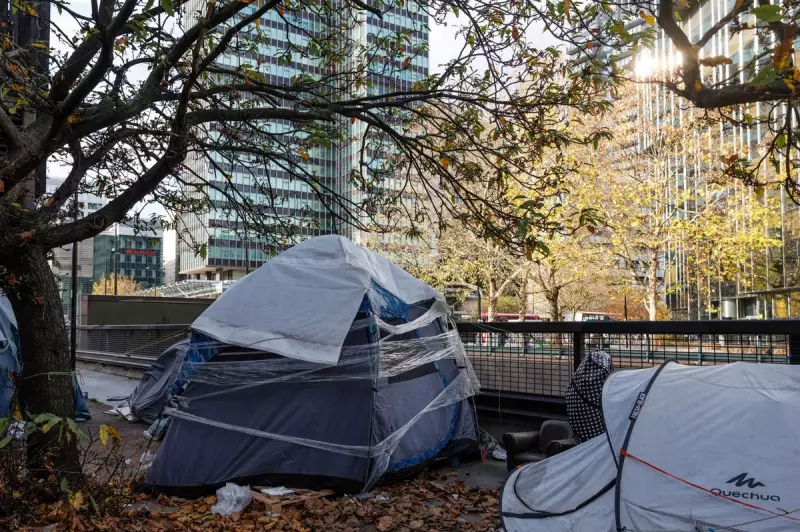
The human impact of the policy is stark and immediate. Charities report a significant surge in refugees becoming street homeless, with some organisations seeing referrals more than double. The policy disproportionately affects young, single refugees who lack local connections or family support networks.
Disturbing individual cases have emerged, including that of an individual with latent tuberculosis being forced to sleep rough, creating a clear public health risk. The situation has grown so dire that it has prompted legal intervention. High Court judges have begun issuing orders to compel the Home Office to extend the move-on period for specific vulnerable claimants, setting a potential legal precedent.
A Threat to Integration and Public Health
Beyond the immediate humanitarian emergency, experts warn of severe long-term consequences. Forcing refugees into destitution so soon after they gain status fundamentally undermines their integration into British society. The trauma of homelessness can erase the stability sought through asylum and cripple an individual's ability to build a new life.
Furthermore, the crisis places immense strain on already overstretched local authority homelessness services and the NHS, especially as cases involving vulnerable health conditions emerge. With winter setting in, charities fear a tragic rise in preventable illnesses and deaths among this newly homeless population.
As one frontline worker summarised, echoing the fears of many, the prospect of sleeping in a tent in winter is "too scary" for those who have already endured so much, yet it is becoming a grim reality for thousands.