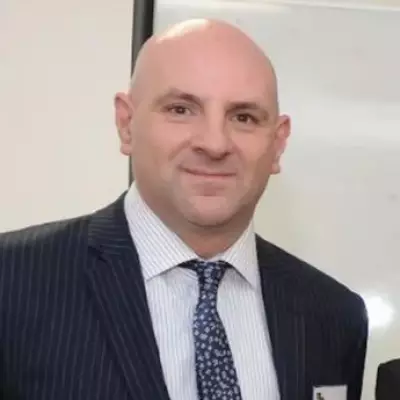

In a stark farewell warning, the outgoing head of a leading UK refugee charity has described how hostility and toxicity towards asylum seekers have reached unprecedented levels over the past five years.
A Landscape Transformed by Legislative Hyperactivity
Enver Solomon, who is preparing to leave his role as chief executive of the Refugee Council this month, reflected on a period of intense political focus on migration. He noted that since he began his tenure in 2020, four separate pieces of asylum and migration legislation have become law, with a fifth expected imminently.
The stated intent behind this flurry of new laws has been consistent: to deter asylum shopping, disrupt smuggling gangs, increase removals, and ultimately deliver control of the UK's borders. However, Solomon argues the reality has been a rise in public scepticism and a system in chronic dysfunction.
From 'Illegal' to 'Irregular' and Back Again
Solomon observed a brief shift in official language when the Labour government first took power, with Home Office officials instructed to stop using the term "illegal arrivals" in favour of "irregular". This, he suggested, hinted at a less confrontational tone.
That change proved short-lived. The current Home Secretary, Shabana Mahmood, has claimed illegal migration is "tearing the country apart". Meanwhile, the Leader of the Opposition, Kemi Badenoch, has linked male asylum seekers to women feeling unsafe in public parks.
"This narrative shift has been stark," Solomon writes. "It has emboldened the far right to exploit people's concerns and pushed them to take matters into their own hands."
The Human Cost of a 'Dysfunctional' System
The consequences of this toxic atmosphere, coupled with a broken system, are severe and deeply personal. Solomon listed incidents he never anticipated witnessing: an asylum hotel set on fire, refugees beaten in the street, and charity staff fearing for their safety.
He details systemic failures that "never cease to amaze" him, including official letters sent to wrong addresses, asylum interviews with incorrect interpreters, and traumatised children facing inappropriate accommodation due to cursory age assessments.
This dysfunction is quantified by a recent National Audit Office analysis, which found more than half of people who applied for asylum almost three years ago still have no outcome.
A Critical Choice for the Nation's Identity
Solomon warns that the political approach has created deep division and hate through the harmful "othering" of migrants. He presents the governing Labour party with a stark choice: continue with a policy framework that implicitly validates hardline rhetoric, or confidently articulate an alternative vision.
This alternative, he argues, would proudly celebrate the UK's integration successes, support refugees to work and contribute, and pursue values-based global solutions to a global challenge.
"As I leave my role, it feels more urgent than ever that we collectively stand up for the British values of fairness, decency and compassion," Solomon concludes, urging that refugees be treated "with the dignity and humanity they deserve."