Reform UK Accuses BBC of 'Serious Impartiality Failure' Over Question Time Migrant Audience
Reform UK slams BBC over Question Time migrant audience

The BBC is facing a formal complaint from Reform UK, which accuses the broadcaster of a 'serious failure of impartiality' after its flagship Question Time programme featured an audience that included migrants who had entered the UK illegally by small boat.

A Formal Complaint Lodged

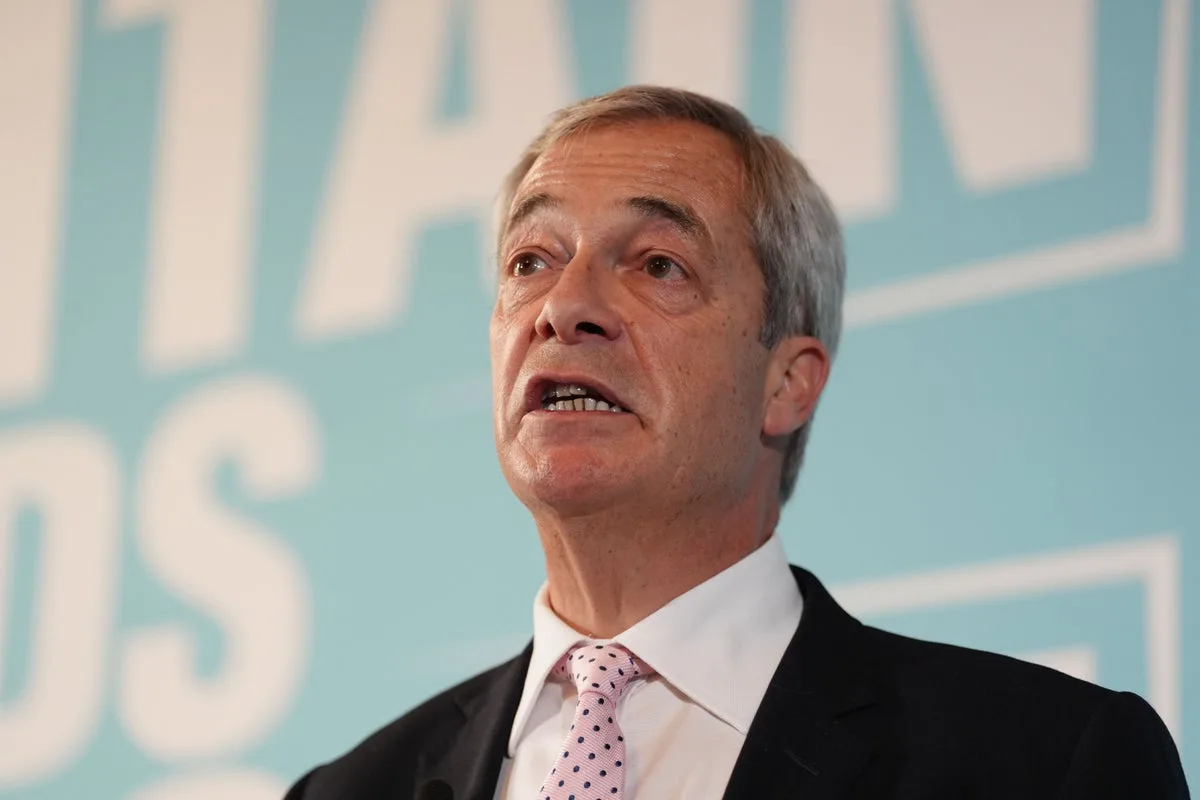
Reform UK's policy chief, Zia Yusuf, submitted the complaint on 5 December, alleging the Question Time: Immigration Special, broadcast from Dover, deliberately 'stacked' its audience. Yusuf argued the programme created a dynamic akin to asking 'convicted burglars to debate law and order' after he was questioned on-air by two men who admitted to entering Britain illegally.

In a letter posted on social media platform X, Yusuf wrote: 'I have lodged a complaint with the BBC, asking why they chose to platform men who had entered the United Kingdom illegally, giving them a national stage to lecture the British public on immigration policy.' He described the editorial decision as a breach of the BBC's duty of impartiality and a failure in audience selection.

Details of the On-Air Confrontation

During the programme, hosted by Fiona Bruce, Yusuf was questioned by two men granted refugee status after arriving via small boats. One, named Ashraf from Afghanistan, revealed his asylum application had been rejected by six other countries – Turkey, Macedonia, Serbia, Romania, Austria, and Germany – before being accepted in the UK.

Yusuf challenged the framing, stating: 'If you are entering a warzone, it's generally men first and if you are fleeing a warzone it's generally women and children first.' He emphasised that the vast majority of small boat arrivals are men, a point he called a 'statistical fact'.

The second contributor, an Iranian migrant, read prepared arguments from his phone against the UK leaving the European Convention on Human Rights (ECHR), which Yusuf later labelled 'extraordinary' and 'inappropriate' for a licence fee-funded broadcaster.

Broader Accusations and BBC Response

Reform UK leader Nigel Farage later branded the episode a 'set-up', claiming the BBC had given a platform to people 'the majority of the country want to keep out' and that the show had been 'utterly discredited'. Yusuf expanded the criticism, questioning whether the BBC would 'invite tax evaders to comment on the Budget' or stack an audience with 'convicted burglars to discuss law-and-order policy'.

The complaint also disputed a claim made on-air by Labour's immigration minister, Mike Tapp, who said 50,000 of 70,000 illegal migrants arriving since the government change had been deported. Yusuf asserted the true figure was closer to 2,700, criticising the BBC for not challenging the statement.

In response, a BBC spokesman stated: 'As immigration continues to be a primary concern for people in the UK, Question Time held a special episode in Dover with panellists from across the political spectrum and a local audience with a range of views and experiences.' The spokesman confirmed that all political parties were informed about the participation of the two former asylum seekers on the day before broadcast.

The row highlights the intense sensitivity surrounding the national immigration debate and raises persistent questions about the BBC's editorial balance on one of the UK's most divisive political issues.




