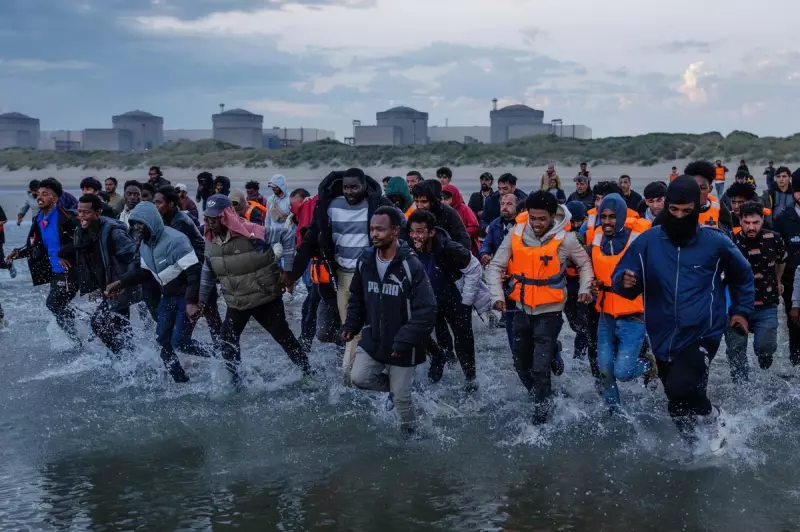
British police are to be granted significant new powers at ports, enabling officers to conduct searches of illegal migrants' mouths for concealed SIM cards and mobile phones. The measures, expected to receive Royal Assent imminently, are designed to disrupt the criminal networks orchestrating small-boat crossings.
Scope and Details of the Enhanced Powers
The Home Office, under Home Secretary Shabana Mahmood, confirmed that officers will now have the authority to compel individuals to remove outer garments like coats, jackets, and gloves. Crucially, they will also be permitted to inspect inside a person's mouth for hidden SIM cards or small electronic devices.
Previously, such searches for mobile devices could only occur after a migrant had been arrested. The government states the new powers will allow intelligence to be gathered much faster, directly targeting the smuggling gangs who use phone contacts and social media to organise perilous journeys across the Channel from France.
In a notable development, Home Office sources informed the BBC that children could be subject to these searches if deemed necessary, a point likely to intensify debate around the policy.
Political Context and Public Concern
This policy shift underscores the Labour government's increasingly firm stance on illegal immigration. The move is seen, in part, as a response to the growing political influence of Nigel Farage's Reform UK party, which has pushed immigration to the top of the national agenda.
Recent polling indicates that immigration has now overtaken the economy as the primary concern for British voters. This public sentiment has been visible through a series of protests outside hotels housing asylum seekers over the summer.
Criticism from Human Rights Advocates
The government's tougher approach has drawn sharp criticism from human rights organisations. They argue that such policies risk scapegoating vulnerable people and could inflame racism and violence.
Sile Reynolds, Head of Asylum Advocacy at Freedom from Torture, issued a strong condemnation. "Using invasive powers to search through the clothing – and even inside the mouths – of desperate and traumatised people when they have just survived a terrifying journey across the Channel is a dystopian act of brutality," she said.
The law is set to be formally enacted in the coming days through Royal Assent, a process that does not require further parliamentary debate.