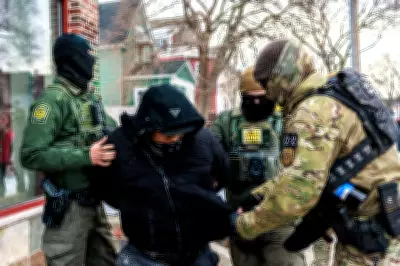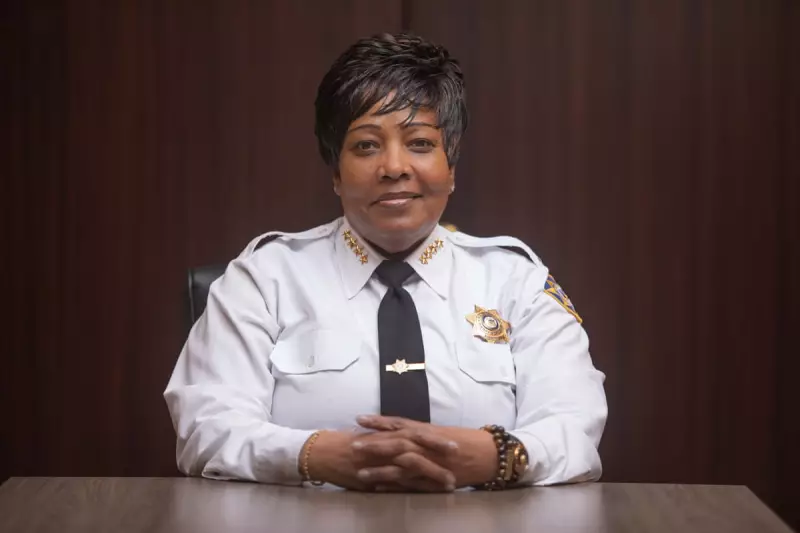
A video featuring Philadelphia Sheriff Rochelle Bilal has ignited a fierce national debate on immigration enforcement after she was recorded instructing deputies not to cooperate with federal immigration authorities.
Controversial Remarks Caught on Camera
The incident, which occurred on 17 January 2026, centres on remarks made by Sheriff Rochelle Bilal during a roll call with her deputies. In the now-viral footage, Bilal is heard stating that her office would not assist Immigration and Customs Enforcement (ICE) agents, framing the stance as a matter of protecting the community's trust. "We are not ICE," she asserted in the recording, emphasising that her deputies' primary duty was to local public safety, not federal immigration enforcement.
The video quickly spread across social media platforms and news outlets, drawing immediate and polarised reactions. Supporters praised the sheriff for upholding so-called 'sanctuary city' principles, while critics accused her of obstructing federal law and endangering public safety.
Political Fallout and Legal Context
The controversy arrives amidst an already heated national conversation about the limits of local authority concerning federal immigration policy. Philadelphia has long identified as a welcoming city for immigrants, with policies limiting cooperation with ICE. However, Bilal's explicit, on-record instructions have brought the issue into sharp, contentious focus.
Political figures were swift to respond. Republican lawmakers and immigration hardliners condemned the sheriff's position, calling for investigations and potential legal repercussions. Conversely, immigrant advocacy groups and progressive allies rallied behind Bilal, viewing her comments as a necessary defence of vulnerable communities against what they describe as aggressive and disruptive ICE tactics.
Broader Implications for Policy and Policing
This episode raises significant questions about the ongoing tension between local law enforcement agencies and federal mandates. The core of the debate hinges on whether local officers should act as a force multiplier for ICE operations, a practice many sheriff's departments across the United States have embraced.
Legal experts note that while localities can set their own priorities, they cannot actively impede federal officers. The key distinction lies between non-cooperation and active obstruction. Sheriff Bilal's office has since clarified that her remarks were a reaffirmation of existing city policy, not a call to illegally interfere with federal agents.
Nevertheless, the viral nature of the video ensures the debate will continue to simmer. It highlights the profound challenges facing law enforcement leaders in navigating divided political landscapes, where actions on immigration enforcement are scrutinised as potent political symbols as much as matters of public safety protocol.
The incident serves as a potent reminder of how quickly a local official's remarks can escalate into a national flashpoint, influencing broader discussions on local authority, community trust, and the complex mechanics of layered governance in the United States.