
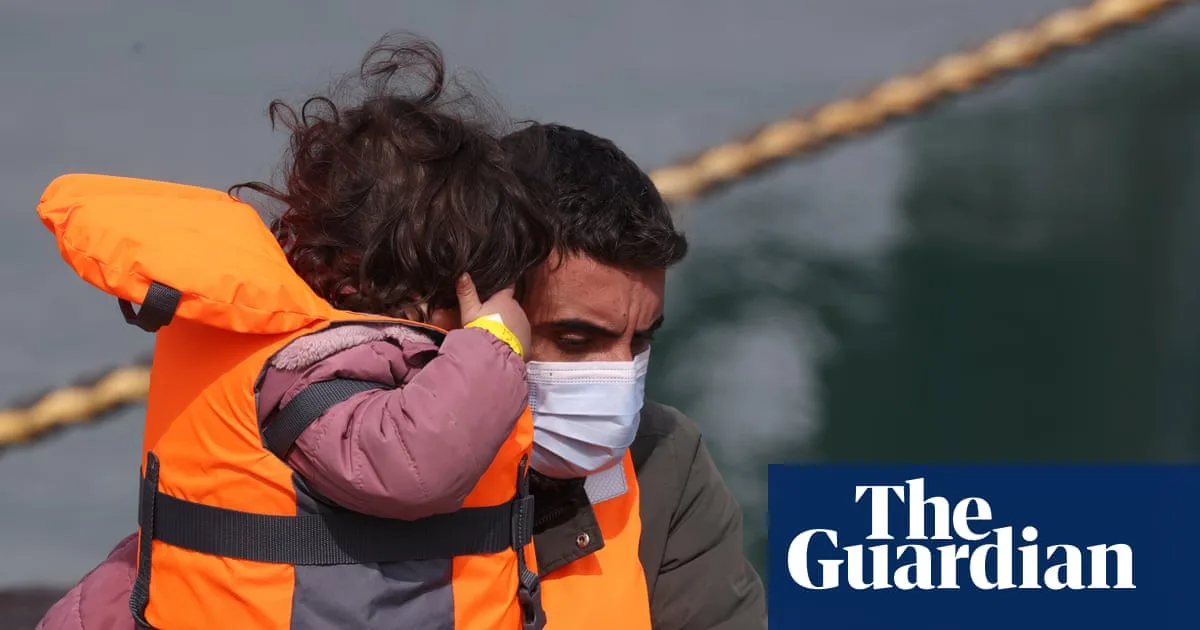
The Home Office has introduced new rules allowing immigration enforcement officials to search the mouths of small boat arrivals for hidden sim cards or small electronic devices, with measures applicable to children if deemed necessary. The policy, part of the border security, asylum and immigration bill set to receive royal assent this week, also permits officers to seize phones and require individuals to remove outer clothing at UK ports to check for devices.
Charities have strongly criticised the move, arguing it prioritises criminality over dignity. Maddie Harris of the Humans for Rights Network stated that people should be treated with respect, not as criminals, and noted that many arrivals, particularly children, are traumatised by their journeys. Sile Reynolds of Freedom from Torture described the searches as a “dystopian act of brutality” that treats all refugees as security threats, violating the right to privacy.
Refugees have expressed scepticism about the efficacy of the searches. One Syrian refugee said smugglers instruct arrivals to delete everything from phones, and many discard cheap phones or leave them with friends in France. The Home Office was found by the high court in 2022 to have acted unlawfully with a blanket policy of confiscating phones without publishing the rules.
Home Office officials maintain the powers are essential for gathering intelligence on people-smugglers. Border security minister Alex Norris said organised criminal networks use phones and social media to recruit migrants, and that seizing phones before arrest will help shut down these gangs. The National Crime Agency will also gain new interim serious crime prevention orders to ban suspects from using phones or social media.




