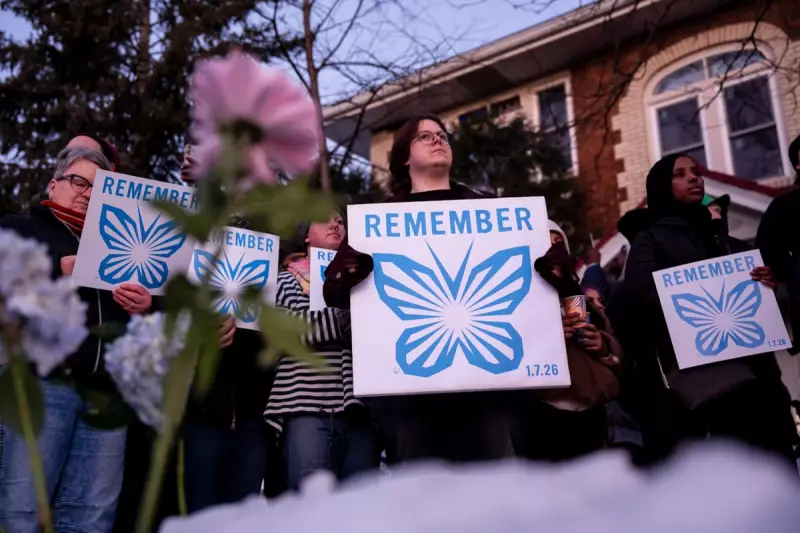
The city of Minneapolis has been transformed into a focal point of national resistance against the Trump administration's immigration crackdown, following the fatal shooting of a woman by an agent from Immigration and Customs Enforcement (ICE). The death of Renee Nicole Good on 7 January 2026 has ignited sustained protests, vigils, and direct confrontations between citizens and federal authorities.
A Community in Mourning and Defiance
The initial response to the killing was a sombre vigil held for Good on the day she died. This gathering of grief quickly evolved into a broader movement. By 10 January, protesters were marching from Powderhorn Park, with children holding signs on their stoops, signalling a community-wide rejection of ICE's presence. Makeshift memorials featuring portraits of Good, alongside others killed by police, began appearing on fences, turning the sites into powerful symbols of loss and remembrance.
The protests have drawn in diverse segments of the Minneapolis community. Clergy, faith, and community leaders assembled on 8 January to demand that ICE leave their city. In a striking show of solidarity, students from Roosevelt High School staged a walkout on 12 January, joining city-wide demonstrations against the federal immigration raids that have intensified in the wake of the shooting.
Escalating Tensions and Direct Confrontations
As the week progressed, demonstrations grew more intense. Protesters gathered repeatedly at the site where Good was killed and targeted federal buildings, including the Bishop Henry Whipple federal building. On 13 January, tensions reached a new peak. Federal agents, believed to be staying at the Graduate Hotel, were met by anti-ICE demonstrators. The same day saw violent clashes following house raids in south Minneapolis, where agents deployed teargas against protesters.
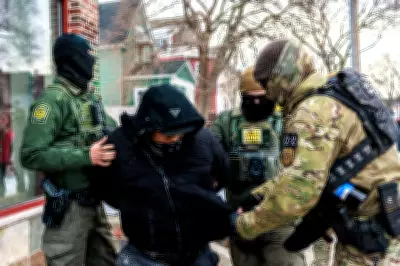
The images from these confrontations are visceral: a man pours water into his eyes after being sprayed with teargas; a protester runs through a cloud of the chemical irritant; a woman shouts directly at a line of federal agents. In a separate incident in St Paul on 11 January, Border Patrol agents were photographed smashing a car window and dragging a man from his vehicle at a gas station for failing to present documentation.
The Broader Implications of the Minneapolis Flashpoint
The ongoing situation in Minneapolis underscores a deep-seated conflict between federal immigration policy and local community autonomy. The rallying cry "Renee Good, ICE bad" encapsulates the protesters' view that aggressive enforcement is fundamentally at odds with community safety. The protests are not isolated to Good's death but are framed as part of a wider struggle, highlighted at a rally on 9 January where people held signs bearing the names of others who died in immigration enforcement-related incidents.
With federal agents continuing to stand guard outside government buildings and community members refusing to submit, Minneapolis has become a stark tableau of a nation grappling with the realities and human costs of its immigration enforcement. The persistent demonstrations, spanning vigils, school walkouts, and direct street-level confrontations, signal a sustained and determined campaign of resistance with no immediate end in sight.