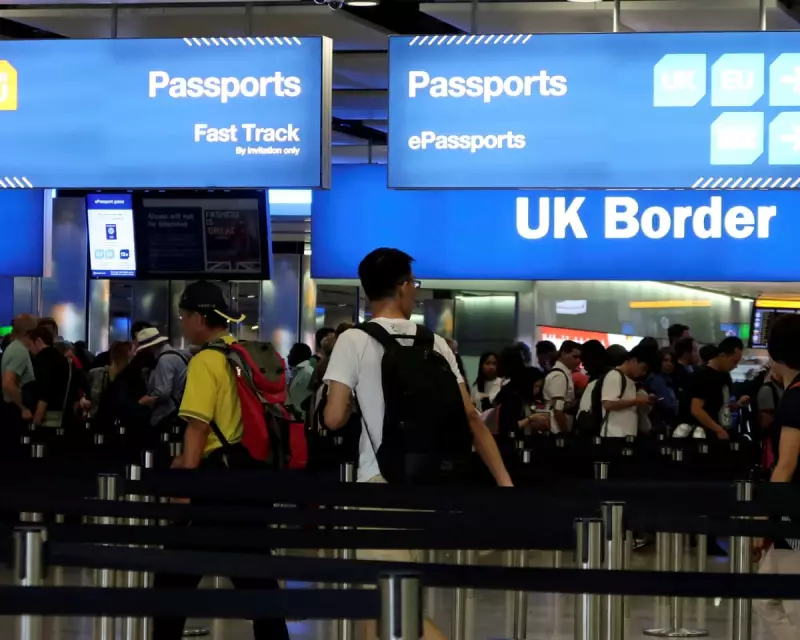
The UK could see a significant rebound in net migration, with figures potentially rising to around 300,000 by the end of the decade, according to a leading government adviser.
Adviser Predicts Medium-Term Surge
Professor Brian Bell, the chair of the Migration Advisory Committee (MAC), stated that the overall migration figure is set to jump "in the medium term" from its current level of 204,000. He attributed this anticipated rise to increasing numbers of overseas students and workers returning to the UK.
"I might expect a bit of a bounceback that's consistent with what the OBR predict in their economic and fiscal outlook," Bell said. "They expect it to return to more like 300,000 in the medium term and I think that's a reasonable prediction." This projection aligns with a recent forecast from the Office for Budget Responsibility (OBR).
Context of Recent Fluctuations
This predicted rise follows a period of dramatic fluctuation. Net migration peaked at a record 944,000 in the year to March 2023, driven largely by foreign workers encouraged to come post-pandemic. However, the latest Office for National Statistics (ONS) data shows a sharp decline.
The figures for the year to June 2025 revealed a 69% drop in net migration to 204,000, down from 649,000. During this period, just under 900,000 people immigrated to the UK (a decrease of over 400,000), while 693,000 emigrated (an increase of 43,000).
Broader Findings and Political Pressure
The comments coincide with the publication of two MAC reports. One report highlighted a significant fiscal cost associated with migrants arriving on family visas. It estimated that the 51,000 people who entered as partners in 2022-23 could cost the economy £5.6bn over their lifetimes, with more than half unemployed and an average net fiscal cost of £109,000 per individual.
In contrast, skilled workers who arrived in the same period are projected to make a net positive contribution of approximately £47bn to public finances over their lifetimes.
The committee also urged the government to take stronger action to prevent the exploitation of overseas domestic workers, such as nannies and carers, stating that the current visa route allows abusive employers to operate "more or less unchecked."
These forecasts emerge as immigration remains a pivotal election issue. Labour leader Keir Starmer has pledged to reduce net migration, setting the stage for intense political debate on the UK's future immigration policy.