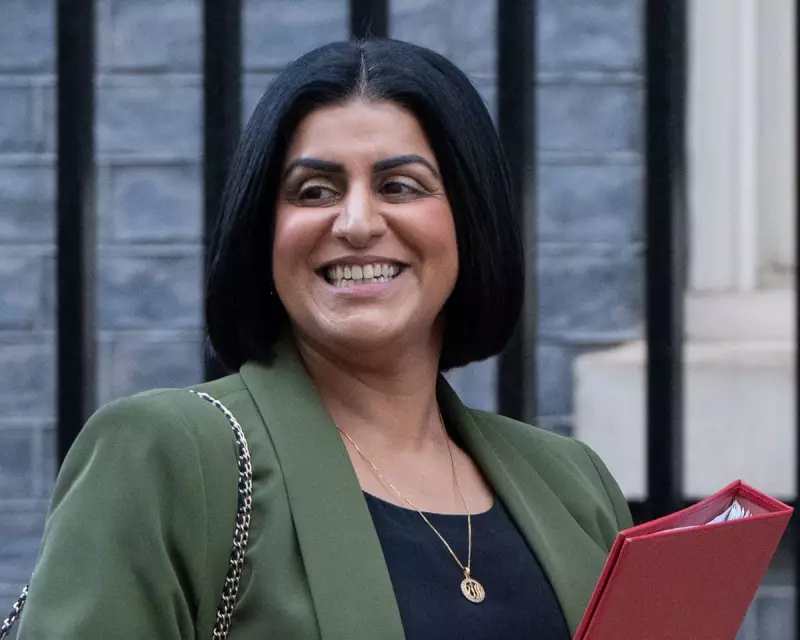
Labour's Justice Secretary, Shabana Mahmood, is facing significant pressure from within her own party and from refugee charities to refuse to implement a controversial Conservative-era asylum policy. The policy in question could force the government to assist individuals whose aim is to foster societal division.
The Core of the Controversy
The dispute centres on a specific clause within the Illegal Migration Act 2023, passed by the previous Conservative administration. This legislation mandates the Home Office to remove individuals who arrive in the UK via irregular routes, such as small boats crossing the Channel. However, a particular provision states that if such a person is making a specific type of human rights claim, the government must provide them with accommodation and a financial allowance while their case is assessed.
Critics argue this creates a glaring contradiction. The very law designed to deter and remove people could, in this specific scenario, obligate the state to support them. The clause has been branded as nonsensical and potentially dangerous by opponents, who fear it could be exploited.
Mounting Pressure on the Justice Secretary
In a letter seen by The Guardian, a coalition of prominent figures has directly appealed to Shabana Mahmood. The signatories include former Labour minister John Denham, now a member of the House of Lords, and Stephen Kinnock, the current Shadow Immigration Minister. They are joined by leaders from major refugee support organisations, including Refugee Council chief executive Enver Solomon and Freedom from Torture's chief executive Sonya Sceats.
The letter delivers a stark warning. It urges Mahmood not to enact regulations that would "help those seeking to build division". The group contends that activating this part of the Act would not only be illogical but could also undermine public confidence in the entire immigration system. They emphasise that the Labour government should not feel bound by what they describe as a "flawed and unworkable" piece of Conservative legislation.
The campaigners are calling for a clear alternative: the government should use its powers to exempt this group of asylum seekers from the removal provisions altogether. This, they argue, would be a more humane and pragmatic approach while the Home Office works on its promised new framework for processing asylum claims.
Broader Implications for Labour's Immigration Policy
This internal pressure highlights the delicate balancing act facing the Labour government on immigration. Having criticised the Tories' "Rwanda plan" and the Illegal Migration Act while in opposition, the party is now in power and must manage the existing legal framework.
The government has stated its intention to scrap the Rwanda scheme and replace the current asylum laws. However, the process of legislating for a new system takes time. In the interim, ministers must decide how to handle the operational aspects of the laws they inherited. The decision facing Shabana Mahmood is a pivotal early test of the government's direction.
Failure to heed the warnings, the letter suggests, risks legitimising a policy designed to inflame tensions rather than solve practical problems. It places the Justice Secretary at the heart of a critical debate about the values and effectiveness of the UK's asylum system under its new administration.