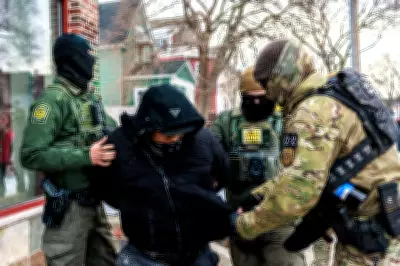
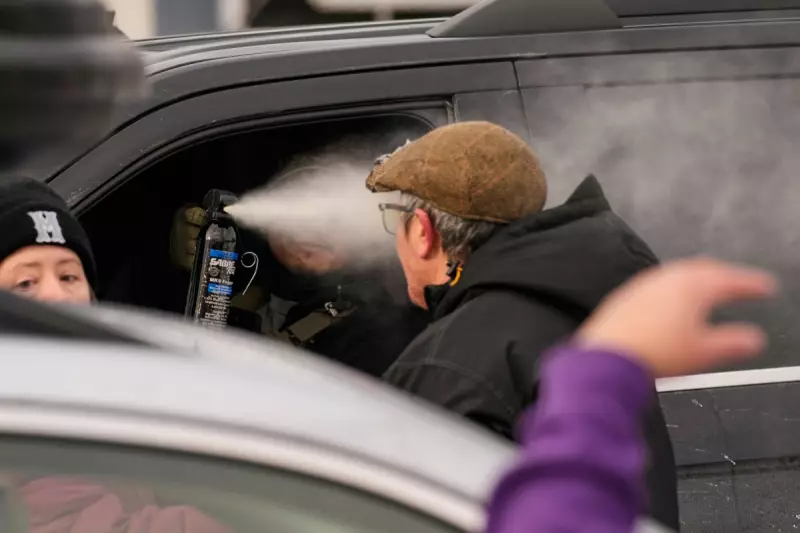
A surge in high-profile immigration arrests at private homes across the United States has thrust a complex legal question into the spotlight: under what precise conditions can federal agents legally enter private property to detain someone? This issue has gained acute urgency following a wave of enforcement actions, many filmed by onlookers, and amid ongoing tensions in cities like Minneapolis.
The Crucial Warrant Distinction: Administrative vs Judicial
At the heart of the debate lies a critical legal nuance that dictates the powers of immigration officers. The majority of immigration arrests are executed under administrative warrants. These are internal documents issued by immigration authorities, such as ICE or CBP, which authorise the arrest of a specific individual. Crucially, however, they do not grant officers the authority to forcibly enter a private home or other non-public space without consent.
This stands in stark contrast to a judicial warrant, which is issued by a court and signed by a judge or magistrate. A judicial warrant permits law enforcement to apprehend a person in any context, including inside a private residence, and allows for forced entry if necessary. Legal experts stress that the Trump administration's aggressive enforcement push, coupled with growing public awareness of these limits, is turning routine door-knock encounters into volatile flashpoints.
Tensions in Minneapolis Highlight Legal Grey Areas
The theoretical distinction became a violent reality in Minneapolis in January 2026. Following the fatal shooting of Renee Nicole Good by an ICE officer on January 11, and amidst ongoing protests, federal agents conducted a raid on a private home on Sunday, January 14. Documents reviewed by The Associated Press revealed the agents involved only possessed an administrative warrant for the arrest of a Liberian national with a 2023 deportation order.
When questioned, DHS Assistant Secretary Tricia McLaughlin did not provide a clear legal justification for the forced entry. She stated the arrest targeted "the worst of the worst" and cited a criminal history including robbery and weapon possession, though she did not specify convictions. This incident underscores the risks identified by former ICE acting director John Sandweg, who warned that expanding the roles of agents, such as deploying Border Patrol personnel for ICE operations, increases the chance of rules being misapplied.
Limited Recourse and the Rise of 'Know-Your-Rights' Campaigns
The consequences of an illegal entry are severe for officers, potentially opening them to lawsuits or state criminal charges, as noted by Heidi Altman, vice president of policy at the National Immigration Law Center. However, accountability is uncertain as the federal government would investigate its own agents. For immigrants, the situation is particularly dire due to the exclusionary rule in immigration court, which often allows illegally obtained evidence to be used against them, potentially leading to swift detention and deportation.
In response to ICE's reliance on "knock and talk" tactics—where agents ask individuals to step outside without disclosing intent to arrest—activists and lawyers have launched nationwide "know-your-rights" campaigns. These initiatives educate communities on their constitutional protections. Key advice disseminated includes:
- Request to see a warrant through a window or closed door.
- Understand that you can legally refuse entry if agents only have an administrative warrant.
- Know that the Fourth Amendment protects all people in the country, regardless of immigration status.
As enforcement intensifies, this legal knowledge has become a vital tool for communities navigating an increasingly convoluted and high-stakes landscape.