Kanye West Blocked from UK Entry for London Festival Performances
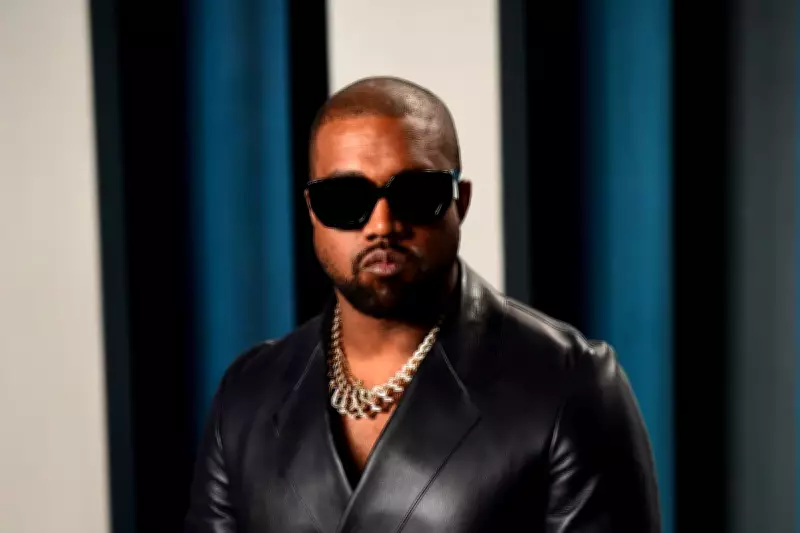
The Home Office has officially barred Kanye West from entering the United Kingdom, effectively cancelling his planned headline performances at the Wireless Festival in London this summer. This decision follows widespread calls for a ban due to the rapper's controversial actions and statements.
Travel Application Denied on Public Good Grounds
Kanye West, also known as Ye, submitted an application for an Electronic Travel Authorisation (ETA) on Monday, seeking permission to travel to the UK. However, the Home Office intervened, blocking his entry on the grounds that his presence would not be conducive to the public good. This move comes amid growing concerns over his behaviour, which has included releasing a song titled Heil Hitler and advertising a swastika T-shirt for sale on his website.
Controversy and Calls for Ban
The announcement of West's performances at Wireless Festival sparked significant backlash, with many urging authorities to prevent his entry into the country. Critics argue that his actions promote harmful ideologies and could incite division. In response, West issued a statement prior to the Government's decision, expressing a desire to meet with the British Jewish community and demonstrate change through his actions. He emphasised his goal of bringing unity, peace, and love through his music, but these assurances were not enough to sway the Home Office.

Ticket Sales and Festival Impact
Despite the controversy, presale tickets for Wireless Festival were released at 12pm on Tuesday and are believed to have sold out quickly. The general sale is scheduled to open at 12pm on Wednesday, though it remains unclear how West's absence will affect the event. Organisers may need to adjust the lineup or address refunds for attendees expecting to see the rapper perform.
Broader Implications for Public Safety and Free Speech
This incident highlights the ongoing tension between artistic expression and public safety in the UK. The Home Office's decision underscores a commitment to preventing individuals whose presence might threaten social harmony from entering the country. It also raises questions about how authorities balance free speech with the need to protect communities from hate speech and divisive rhetoric.
As the situation develops, further details may emerge regarding potential appeals or alternative arrangements for the festival. For now, Kanye West remains barred from the UK, marking a significant moment in the intersection of music, politics, and public policy.