
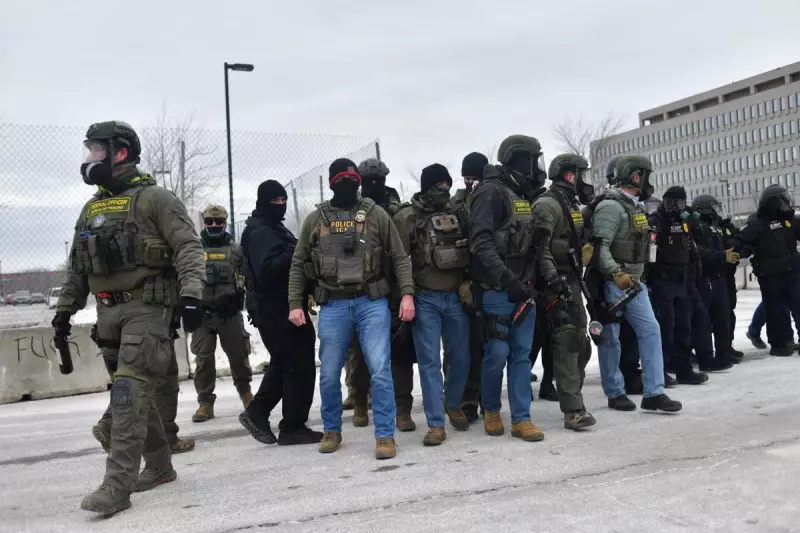
A federal judge is poised to examine the legal standing of a significant immigration enforcement operation in Minnesota, known as Operation Metro Surge, which has sparked intense controversy and legal battles. The hearing comes in the wake of the tragic fatal shooting of nurse Alex Pretti by a Border Patrol agent, an incident that has amplified calls for scrutiny of federal tactics.
Background of the Legal Dispute
Minnesota officials initiated a lawsuit against the Department of Homeland Security (DHS), challenging the legality of Operation Metro Surge. This crackdown, which ICE claims resulted in the arrest of 3,400 individuals described as 'criminal illegal aliens,' has been labelled as unlawful by state authorities. They are seeking a reduction in the number of federal agents deployed in the region, arguing that the operation oversteps legal boundaries.
Escalating Tensions Following Shootings
The legal challenge gained momentum after two fatal shootings involving federal agents. The initial lawsuit was filed following the death of Renee Nicole Good, who was fatally shot by an ICE agent in Minneapolis on 7 January. The subsequent killing of Alex Pretti has added further urgency to the case, with Minnesota officials citing these incidents as evidence of excessive force and procedural overreach.
Federal Response and Additional Legal Actions
In response to Minnesota's lawsuit, the Justice Department has dismissed it as 'legally frivolous' and has urged the judge to deny the state's request. This stance highlights the deepening rift between federal and state authorities over immigration enforcement policies.
Separately, Minnesota officials have pursued another legal action against DHS concerning the investigation into Pretti's shooting. They allege that federal authorities took exclusive possession of crucial evidence and obstructed state officials from accessing it. In response, a judge issued a temporary restraining order to preserve evidence, underscoring the contentious nature of the investigation.
Implications for Immigration Policy
This case is set to have significant implications for immigration enforcement across the United States. The outcome could influence how federal agencies like ICE conduct operations in states that oppose their tactics, potentially reshaping the balance of power between federal and state jurisdictions in immigration matters.
As arguments are heard, stakeholders on both sides are closely watching the proceedings, which may set a precedent for future legal challenges against aggressive immigration crackdowns. The hearing represents a critical juncture in the ongoing debate over the limits of federal authority and the protection of civil liberties in immigration enforcement.