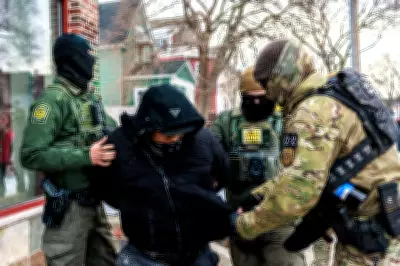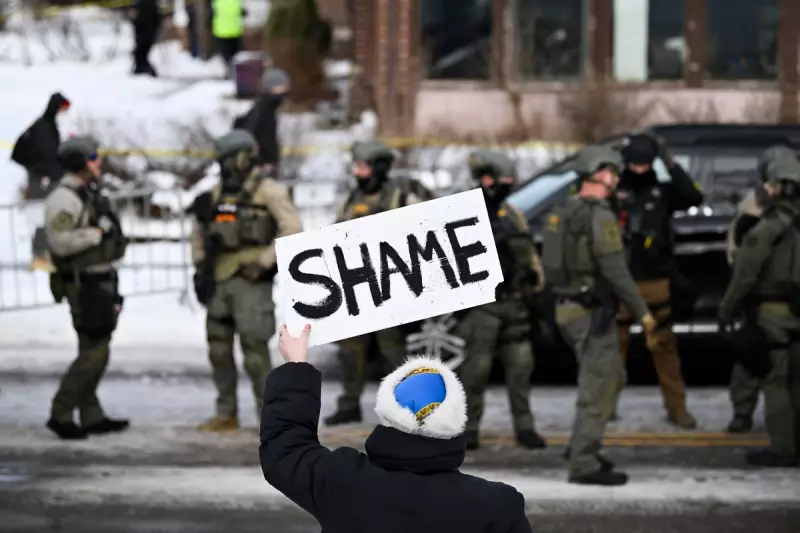
A federal judge in the United States has imposed significant restrictions on how immigration officers can interact with protesters and observers in Minneapolis. The ruling marks a notable legal check on federal enforcement tactics amid ongoing local tensions.
Court Order Details and Key Provisions
US District Judge Kate Menendez issued the order, which specifically bars federal officers involved in immigration enforcement from detaining individuals or deploying tear gas against peaceful demonstrators and onlookers. The decision, handed down on Saturday 17 January 2026, also sets clear limits on vehicle stops.
Judge Menendez stated that officers cannot detain drivers or passengers in a vehicle unless they have reasonable suspicion of obstruction. She provided crucial clarification, ruling that the act of safely following agents at a reasonable distance does not, in itself, constitute grounds for a vehicle stop.
Background and Legal Challenge
This judicial intervention follows a lawsuit filed in December by six activists from Minnesota. The group was represented by the American Civil Liberties Union (ACLU) of Minnesota. Their case challenged the tactics used by Immigration and Customs Enforcement (ICE) and Border Patrol personnel.
The ruling arrives during a period of heightened scrutiny of federal immigration operations in the Minneapolis-St. Paul area. This increased monitoring is a direct response to the current administration's nationwide crackdown on immigration, which has sparked public unrest and protest in numerous communities.
Implications and Local Response
The court's decision is seen as a victory for civil liberties advocates and protest organisers. It establishes a legal precedent that protects the rights of individuals to observe and protest federal actions without fear of unwarranted detention or the use of chemical irritants.
Local unrest has been growing in Minneapolis due to a perceived surge in ICE agent activity. This ruling aims to draw a firm line between lawful protest and immigration enforcement, potentially de-escalating confrontations between federal officers and the public. The case underscores the ongoing national debate over the limits of federal authority and the protection of constitutional rights during enforcement operations.