For days, a suffocating silence has gripped tens of thousands of Iranian Australians, severed from news of their families back home by a government-imposed communication blackout in Iran. As anti-regime demonstrations escalate, the diaspora community in Australia has been left in a state of profound distress, clinging to fragments of information that often confirm their worst fears.
The Agonising Wait for a Call
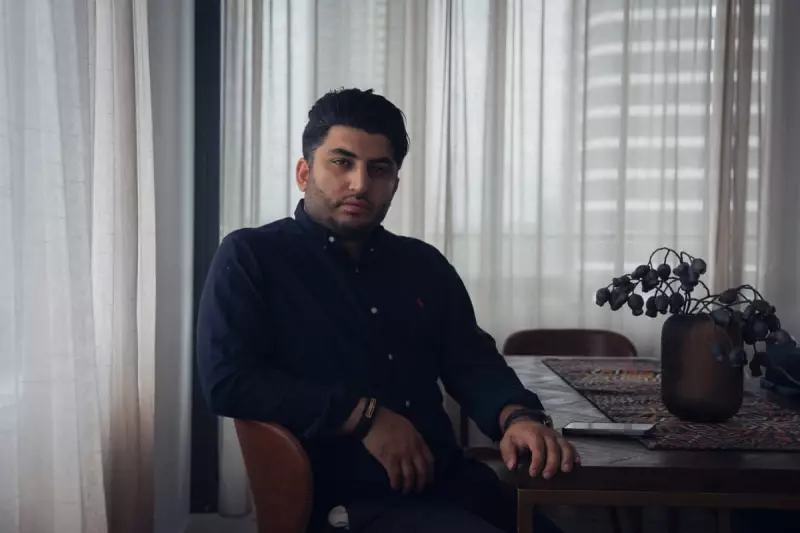
Almost a week into the near-total shutdown, Sydney-based civil engineer and activist Mohammad Hashemi finally received a call from his brother in Iran late on Tuesday. The initial relief of hearing his family was safe was brutally short-lived.
"He saw with his own eyes, many people were killed in front of him and how they were just shooting everyone," Hashemi recounted, his voice heavy with emotion. "When I heard the stories, what happened to people, I was crying about the situation and what's going on in our country."
His family's trauma is deeply personal. His cousin, Majid Kazemi, was executed in May 2023 after participating in earlier "Woman, Life, Freedom" protests. Hashemi believes Kazemi would be proud of the current wave of demonstrations, which were sparked by the death of Mahsa Amini in 2022 and are now fuelled by anger over economic hardship and systemic mismanagement.
Fragmented Contact and Censored Truths
While authorities eased some restrictions on Tuesday, allowing limited mobile calls abroad, the internet shutdown and block on inbound international calls persist. This has created a tortuous limbo for the over 85,000 Iranian-born people in Australia.
Amir Madadi, a software developer in Sydney, managed a brief, broken call with his sister in Isfahan. "She said we are good, don't worry," he shared. Yet, his apprehension remains. Knowing his family supports the protesters, he fears they are shielding him from the full brutality of the crackdown. "They try to always censor the bad news from me," he explained.
For others, even this scant contact has not materialised. Dr Moj Habibi, an Iranian Australian artist and president of the Australian Iranian Community Alliance in Newcastle, is still desperately trying to reach her family in Tehran, who joined the protests.
"It's been very difficult and stressful, when there is no internet, and … you don't know what's happening with your family," she said. "This is heartbreaking to see people are being killed just to seek their freedom."
Echoes of Horror from the Ground
The fragments of information that do get through paint a picture of extreme violence. One Iranian Australian, who requested anonymity for fear of regime reprisals, said her sister called from Rasht with a harrowing account.
"She said they don't want to just hurt people, they want to kill them. They are shooting their head, their eyes and their heart," she revealed. "All the streets were full of blood."
While reports suggest at least 2,000 have been killed, unofficial estimates of the death toll run as high as 12,000. The protests represent one of the most significant challenges to Iran's theocratic leadership in years.
The crisis has also drawn international attention, with former US President Donald Trump signalling potential support for the protesters. Reactions within the diaspora are mixed; while Habibi is apprehensive about foreign intervention, believing Iranians must resolve their own crisis, Hashemi supports any action that could dismantle the regime. "Anyone in the world who can help us, we appreciate it," he stated.
For now, the community's focus remains on the safety of loved ones. As they navigate a landscape of fear, fragmented calls, and enforced silence, their vigil continues, underscored by a desperate hope for news and an end to the violence.