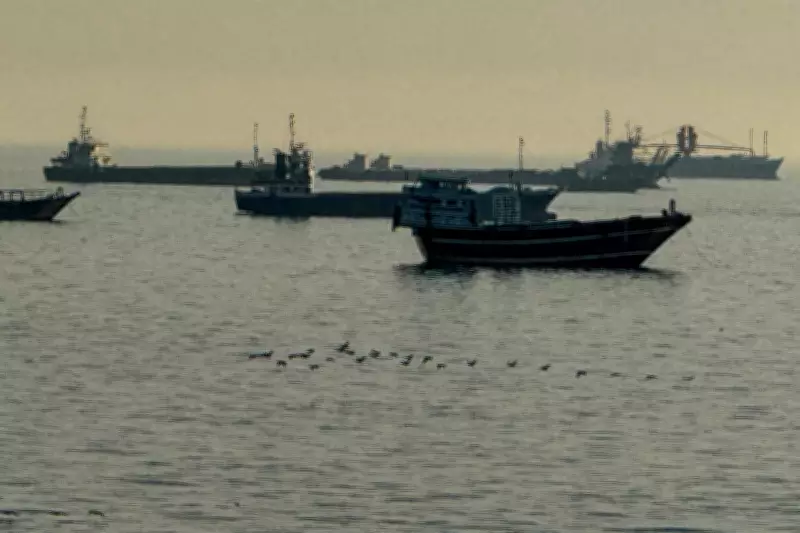
Iran has threatened to impose tariffs or "protection fees" on subsea cables traversing the Strait of Hormuz, a critical chokepoint for the region's digital economy and global internet traffic. The Islamic Revolutionary Guard Corps (IRGC) has demanded these fees from foreign cable operators in exchange for permits to maintain seabed infrastructure, implying potential disruptions if payments are not made.
Targeting Global Tech Giants
The move targets major technology firms such as Microsoft, Meta, Google, and Amazon, which rely on these cables for data transmission. The demand raises concerns about the security of critical infrastructure, though US sanctions complicate any potential compliance by these companies.
Iran's Strategic Objective
Experts suggest Iran's primary goal is to hold repair infrastructure hostage, compelling operators to pay fees or face indefinite delays in fixing faults. This strategy seeks to leverage pressure against future attacks or geopolitical tensions. While some analysts argue that less than one per cent of international bandwidth passes through the Strait, the threat could still cause significant regional economic disruption.

This development follows previous incidents involving subsea cables in the Red Sea, highlighting growing risks to global connectivity. The Strait of Hormuz remains a vital artery for energy and data flows, and any disruption could have far-reaching consequences for the digital economy.