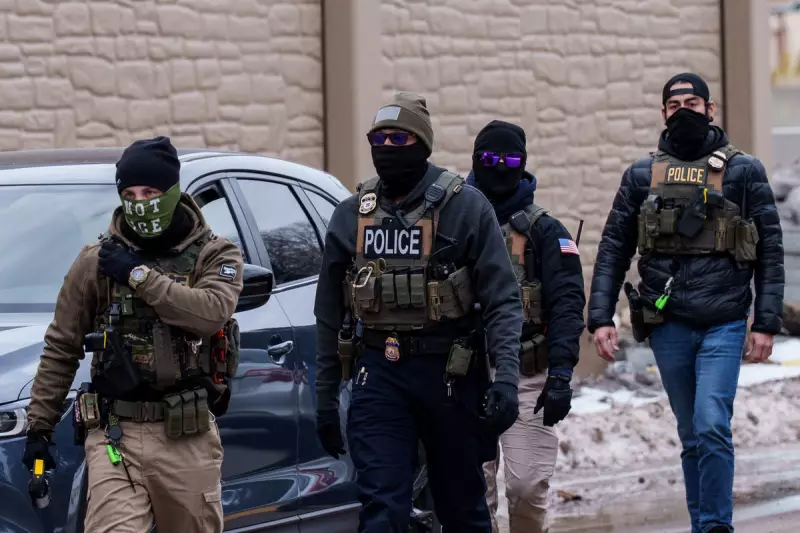
A Liberian man at the centre of a controversial immigration arrest in Minnesota has been released from custody for a second time, following a federal judge's ruling that his initial detention was unlawful.
Judge Condemns "Unlawful" Arrest and Swift Re-detention
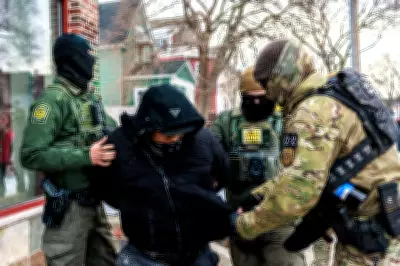
Garrison Gibson, 37, was first taken into custody last weekend in a dramatic operation where Immigration and Customs Enforcement (ICE) agents used a battering ram. U.S. District Judge Jeffrey Bryan ruled on Thursday that this arrest violated Gibson's rights, leading to his immediate release.
However, in a surprising twist, Gibson was detained again on Friday during what was supposed to be a routine check-in at an immigration office. He was freed later the same day. His lawyer, John Prokosch, stated, "In the words of my client, he said that somebody at ICE said they bleeped up and so they re-released him this afternoon."
Judge Bryan agreed that officials broke regulations by failing to give Gibson adequate notice that his order of supervision—a legal status that had allowed him to remain in the U.S.—had been revoked. Prokosch said ICE informed him they are now "going through their proper channels" to formally revoke that order.
Wider Crackdown and Community Alarm
Gibson's case is one of more than 2,500 arrests made during a weeklong immigration enforcement operation in Minneapolis and St. Paul, according to the Department of Homeland Security (DHS). The crackdown has grown more intense since the fatal shooting of Renee Good, 37, on January 7.
The operation has sent ripples of fear through diverse communities across the Twin Cities. Democratic members of Congress held a local meeting on Friday to hear accounts of aggressive encounters with immigration agents. St. Paul Mayor Kaohly Her, who is Hmong American, reported that people are now carrying their passports in public and that she has received reports of ICE agents going door-to-door "asking where the Asian people live."
In response, tribal leaders and Native American rights organisations are advising anyone with a tribal ID to carry it at all times, following multiple reports of Native Americans being stopped or detained by ICE. Organisers in Minneapolis have even set up application booths to assist people needing tribal identification.
Shooting Incident and Political Fallout
The climate of confrontation was underscored by the release of 911 call transcripts related to Renee Good's death. Records show firefighters found multiple gunshot wounds. One caller reported, "They shot her, like, cause she wouldn’t open her car door... Point blank range in her car." DHS claims the agent, Jonathan Ross, acted in self-defence after Good began to drive her partially blocking SUV forward.
Concurrently, President Donald Trump appeared to step back from a threat to invoke the 1807 Insurrection Act, which would allow the deployment of troops to quell protests in Minnesota. He told reporters, "I don’t think there’s any reason right now to use it, but if I needed it, I’d use it." This comment followed incidents where government vehicles, including an FBI SUV, were vandalised and had items like body armour stolen.
Minnesota’s attorney general has responded to the President's threats by stating he will sue if the Insurrection Act is invoked.