Minnesota Families Torn Apart as ICE Detains Thousands in Largest US Raid
ICE Raids in Minnesota Rip Families Apart

Families across Minnesota are reeling from shock and grief after federal immigration agents swept through the state, detaining loved ones in what has been described as the Trump administration's largest enforcement operation to date.

‘We Need Them Here’: Families Stunned by Swift Arrests

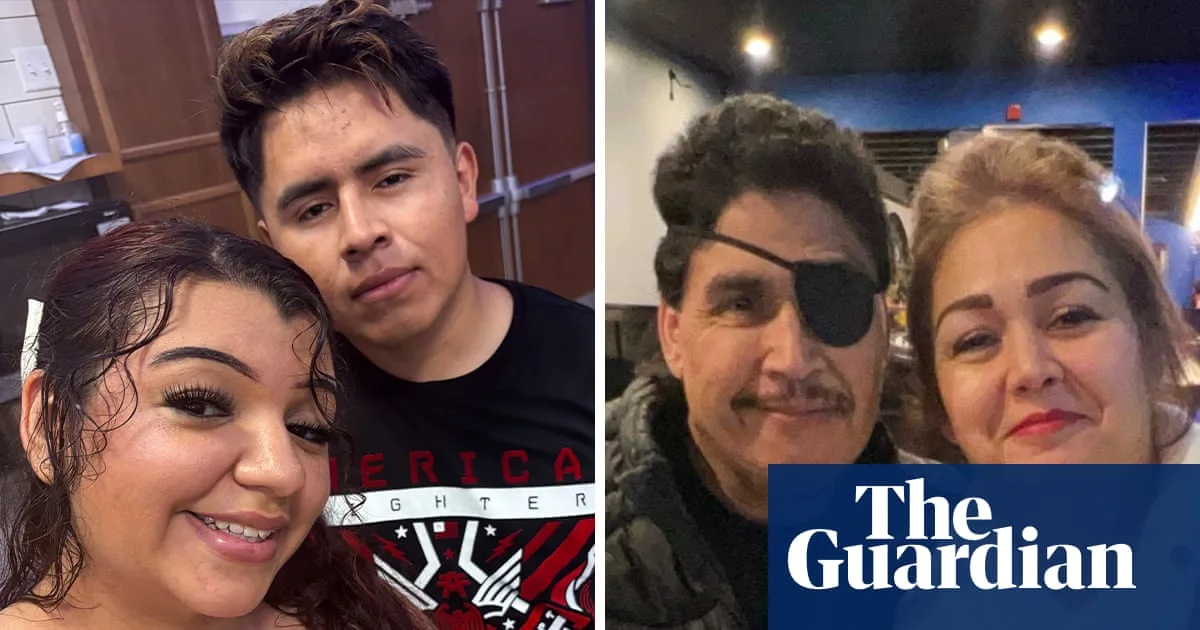
The morning of Monday, 12 January, began like any other for Paulo Sosa Garcia and his wife, Ramona Cecilia Silva. As they headed to work in Inver Grove Heights, their routine was shattered when Immigration and Customs Enforcement (ICE) agents pulled their car over and arrested them. By the very next morning, the couple found themselves detained in El Paso, Texas, over 1,200 miles away from their home and three daughters.

In a separate incident, Tomas Martinez Gregorio was driving his wife, Daisy Martinez, and their six-year-old son, Jayren, to a hospital in Brooklyn Park for the boy's tonsillectomy. Federal agents intercepted their vehicle, taking Gregorio into custody. Jayren never made it to his surgery appointment.

These are not isolated cases. The Guardian has confirmed that approximately 3,000 federal agents are either operating in Minnesota or en route to the region. In recent weeks, more than 2,400 people have been arrested, with many swiftly transferred to out-of-state detention centres or removed from the country entirely.

A ‘Worst Nightmare’ for Families with Legal Status

Local leaders and immigration lawyers report that some of those detained held valid visas and had a legal right to reside in the United States. This follows the Trump administration's announcement that it would “re-examine thousands of refugee cases.” Arrests have occurred in neighbourhoods, at homes, on the way to work, and outside schools and places of worship.

For the daughters of Paulo Sosa Garcia and Ramona Cecilia Silva, the arrest was a devastating blow. The couple, who arrived from Mexico in 1999, were in a years-long process to obtain legal residency. Just five days before their detention, they were informed their case had been approved to move forward. Now, their daughters are fundraising for legal fees, posting a desperate TikTok video describing their “worst nightmare.”

“I just want for my parents to come back home,” said Cecilia Sosa, the eldest daughter. After nearly three decades building a life in Minnesota, her parents had started a successful cleaning business and were caregivers for Cecilia's grandfather, who recently had a brain tumour removed. Their youngest daughter is 19 and relied on their support for college expenses.

The couple are now held separately at Camp East Montana at Fort Bliss in El Paso, a vast tent facility where human rights groups have alleged detainees face physical abuse and unsafe conditions.

‘I Couldn’t Save My Husband’: Trauma and Community Response

For Daisy Martinez, the trauma of her husband's detention on New Year's Eve is compounded by the distress of their young son. “He says every single day: ‘Can we get Tommy back?’” Martinez shared. The six-year-old has told his teacher, “Can you please save Tommy?” and was heartbroken to wake from a dream where his stepfather had returned.

Martinez, a US citizen, had chosen not to apply to adjust her undocumented husband's status during the Trump administration, fearing it would draw ICE's attention. Her fears materialised when three ICE vehicles cornered their car en route to the hospital. She recorded video of the incident, pleading with armed agents who claimed Gregorio had a DUI—a claim later retracted by another agent.

When Martinez tried to follow her husband, agents tackled her against the car and pinned her arms behind her back. She later found her son screaming in the back seat. Gregorio was first taken to the ICE facility at Fort Snelling, then transferred to Sherburne county jail.

Now struggling with a reinjured foot, insomnia, and trauma, Martinez finds it hard to work her part-time job. “I’m the child of an immigrant, I’m the wife of an immigrant… And [ICE] made me feel like my citizenship doesn’t matter any more,” she said.

In the wake of her loss, she has become a guardian for her community, filling neighbours' cars with petrol and doing grocery runs. “I basically tell everyone here: ‘I couldn’t save my husband, but I could probably save you,’” she stated, rushing outside each time she suspects immigration agents are near.

The stories from Minnesota paint a harrowing picture of a large-scale enforcement operation that is tearing families apart, leaving children without parents, businesses without owners, and a community living in fear.




