
Democrats in the US Congress are demanding restraints on Immigration and Customs Enforcement (ICE) after an agent shot and killed Renee Nicole Good, a 37-year-old US citizen, in Minneapolis. The incident has intensified calls for systemic overhaul of the agency, which has been empowered by President Donald Trump to carry out mass deportations.
Video footage shows Good reversing her car and attempting to drive away when an agent fires multiple shots, killing her. The Trump administration has claimed the officer acted in self-defence, but Democrats have sharply condemned the killing. Senator Chris Murphy of Connecticut wrote on X that Democrats cannot vote for a Department of Homeland Security (DHS) budget that does not restrain the agency's 'growing lawlessness'. He is preparing a reform package requiring warrants for arrests, banning agents from wearing masks during operations, and limiting border patrol activities far from the border.
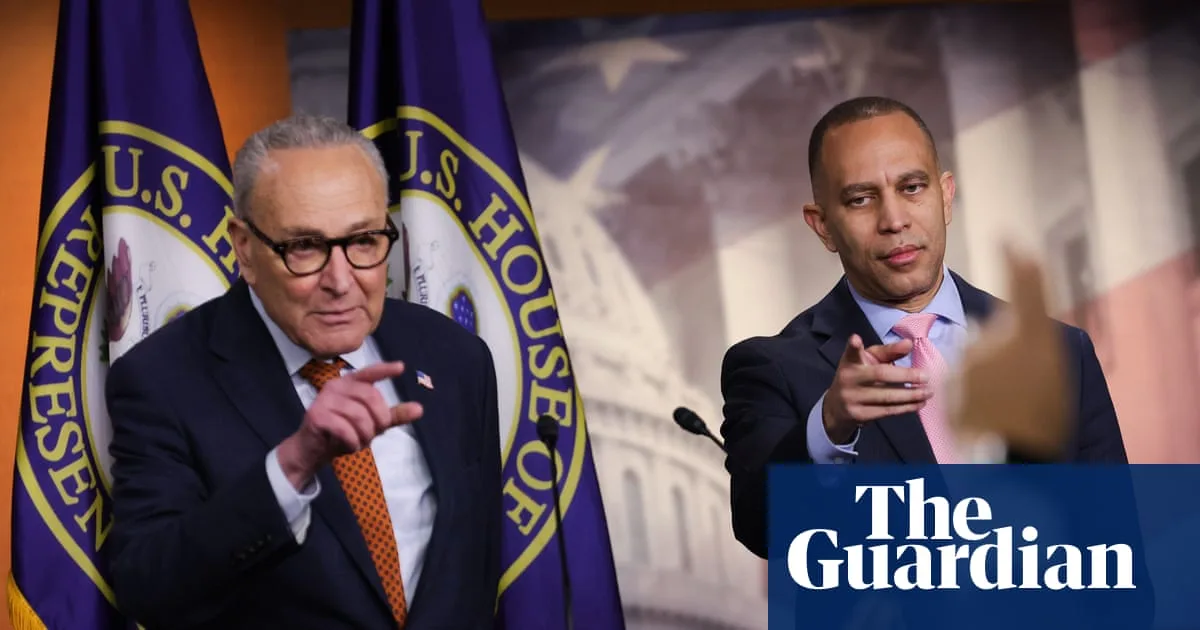
House Minority Leader Hakeem Jeffries called the killing 'an abomination', stating that blood is on the hands of those pushing extreme policies. Senate Democratic Leader Chuck Schumer described watching the video as 'being punched' and demanded a full federal investigation. However, some Democrats remain cautious about triggering another government shutdown, and the issue of immigration remains politically sensitive.
Public opinion appears to be shifting. According to Pew Research, 53% of Americans now believe the Trump administration is doing 'too much' on deportations, up from 44% in March. Reports of another federal officer-involved shooting in Portland, Oregon, have further heightened tensions, with local Democratic leaders calling for a halt to immigration enforcement in the city.
The House passed several government spending bills ahead of a 30 January deadline, but funding for DHS remains unresolved. Republican Representative Mark Amodei, who chairs the DHS funding panel, acknowledged the shooting would 'probably complicate the bill'. Democrats have not yet confirmed whether they will use the appropriations process to force changes, but the incident has clearly intensified the debate over ICE's role and conduct.




