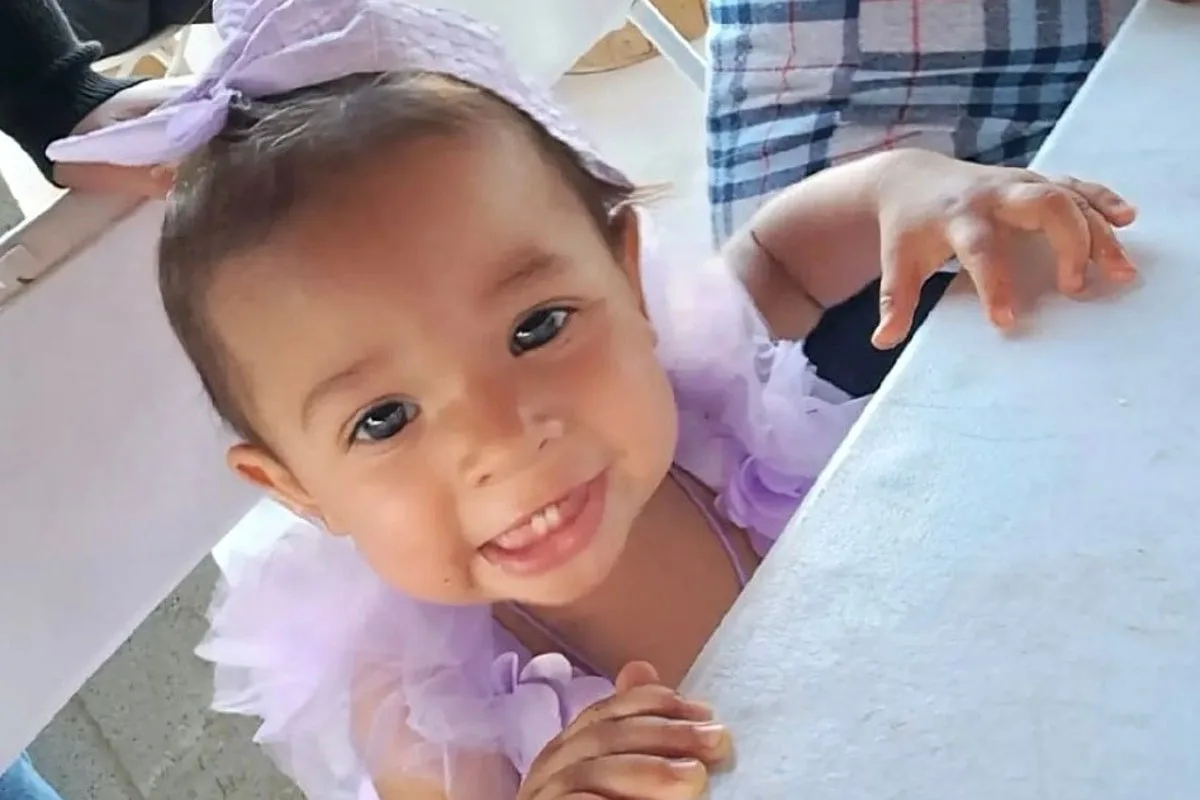
An 18-month-old Venezuelan girl was hospitalised for 10 days with life-threatening respiratory illnesses while in Immigration and Customs Enforcement (ICE) custody in Texas, according to a federal lawsuit. After her release from hospital, staff at the Dilley Immigration Processing Center confiscated her prescribed medication, including Albuterol and a nebuliser, as well as Pediasure nutritional supplement.
The toddler, Amalia, and her parents, Kheilin Valero Marcano and Stiven Arrieta Prieto, were released from ICE custody hours after a lawsuit seeking their release was filed last week. The family had entered the US legally in 2024 after fleeing Venezuela's regime, and were arrested during a routine ICE check-in on 11 December.
Amalia's health deteriorated rapidly in detention, with persistent fevers, vomiting, diarrhoea and infections. On 1 January, her fever spiked to 104°F, and she later struggled to breathe, losing 10 per cent of her body weight. She was hospitalised on 18 January after her parents repeatedly requested urgent care as her blood oxygen levels dropped dangerously. Doctors diagnosed pneumonia, Covid-19, RSV and viral bronchitis, and she required supplemental oxygen.
Upon her return to Dilley on 28 January, ICE denied her access to prescribed medications and confiscated her Pediasure. Her parents were forced to queue outdoors for hours daily to request the medicine, but were turned away. The facility, which houses four mothers and children per room with lights on 24 hours a day, also had issues with food contamination and lack of clean water, the lawsuit alleges.
Even after release, ICE did not return the nebuliser, medication, birth certificate or vaccination card, lawyers said. Elora Mukherjee, director of Columbia Law School’s Immigrants’ Rights Clinic, called the situation “outrageous” and noted that hundreds of children remain at risk at Dilley, which recently experienced a measles outbreak.
A Homeland Security spokesperson denied the claims, stating that Amalia “immediately received proper medical care” and was given prescribed medicines upon return to the facility. However, ICE detentions have surged since President Donald Trump returned to office, with over 70,000 people held nationwide, including at least 3,800 minors and 20 infants.