ICE Arrests Over 800 People Using TSA Passenger Information, Report Exposes
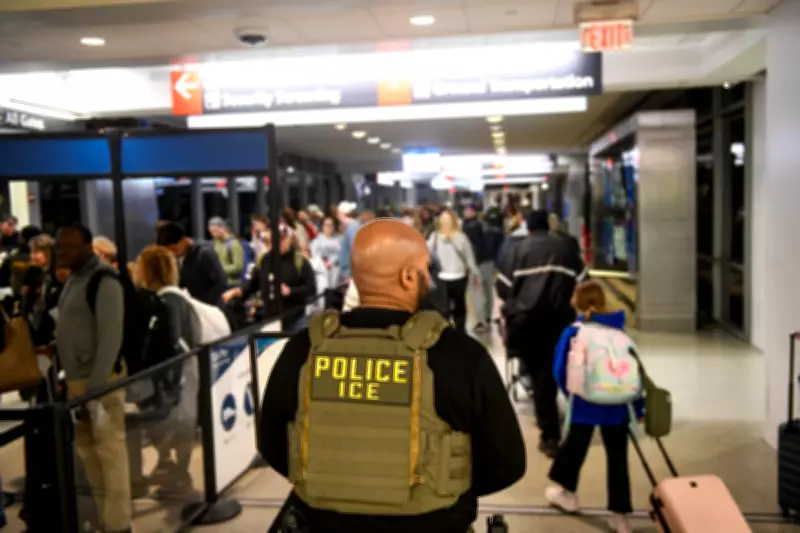
In a startling revelation, a bombshell report has uncovered that Immigration and Customs Enforcement (ICE) arrested more than 800 individuals based on information shared by the Transportation Security Administration (TSA). This practice, which has escalated during President Donald Trump's administration, involved TSA providing ICE with records on over 31,000 travelers for potential immigration enforcement.
TSA's Secure Flight Program Repurposed for Immigration Arrests
Originally designed as a counter-terrorism measure, TSA's Secure Flight Program has been increasingly utilized to compile traveler information for routine immigration arrests. This shift is part of a broader deportation drive under the Trump administration, raising concerns about the program's intended purpose and privacy implications.
Reuters, which conducted the investigation, was unable to determine the exact number of arrests that occurred inside airports. However, it noted that TSA tips would primarily be useful in identifying when individuals are traveling, facilitating targeted enforcement actions by ICE.

DHS Response and Broader Implications
The Department of Homeland Security (DHS) did not respond to specific questions regarding TSA's provision of passenger information to ICE. In a statement, DHS said that under President Trump, TSA "is pursuing solutions that improve resiliency, security, and efficiency across our entire system." This vague response has sparked criticism from advocacy groups who argue that such practices undermine civil liberties and trust in government agencies.
The report highlights a significant expansion in the use of TSA data for immigration purposes, with figures showing ICE arrested more than 800 people after receiving tips from the airport security agency. This development underscores the growing intersection between national security measures and immigration enforcement, prompting calls for greater transparency and oversight.
As debates over immigration policy continue, this report sheds light on the covert mechanisms employed by federal agencies, raising urgent questions about the balance between security and individual rights in the United States.