A visiting professor at Harvard Law School has been taken into custody by US immigration authorities and has agreed to depart the United States, following an incident where he discharged a pellet gun outside a Massachusetts synagogue.
Arrest and Visa Revocation
Carlos Portugal Gouvea, a Brazilian citizen and associate professor from the University of Sao Paulo law school, was arrested by US Immigration and Customs Enforcement (ICE) on Wednesday. The arrest occurred after the US State Department revoked his temporary nonimmigrant visa. The Department of Homeland Security (DHS) confirmed the arrest and his subsequent agreement to leave the country on Thursday.
The visa revocation stemmed from an event on 1 October, the eve of the Jewish holiday of Yom Kippur. Brookline police arrested Gouvea after responding to reports of a person with a gun near Temple Beth Zion. According to a police report, Gouvea stated he was using the pellet gun to hunt rats in the vicinity and was unaware he was next to a synagogue or that it was a religious holiday.
Contrasting Descriptions of the Incident
The Trump administration labelled the event an "anti-semitic shooting incident," a characterisation that differs significantly from the conclusions of local authorities. Both the Brookline police department, which investigated the matter, and Temple Beth Zion itself have informed community members that the incident did not appear to be motivated by antisemitism.
Gouvea reached a legal resolution last month for the charge of illegally discharging a pellet gun. As part of the deal, he received six months of pretrial probation and was ordered to pay $386.59 in restitution. Charges for disturbing the peace, disorderly conduct, and vandalism were dismissed.
Broader Context and University Tensions
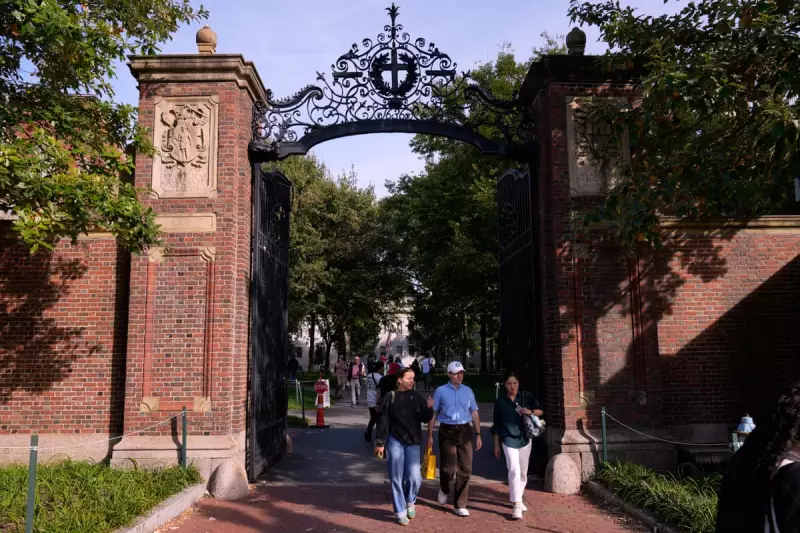
The professor's arrest occurred against a backdrop of heightened tensions between Harvard University and the federal administration. The Trump administration has pressured the Ivy League institution, alleging it has not done enough to combat antisemitism and protect Jewish students on campus.
In a related legal dispute, Harvard sued over administrative actions, leading a judge to rule in September that the administration unlawfully terminated more than $2bn in research grants awarded to the university. Harvard has declined to comment on the specific case of Professor Gouvea.
Following his arrest by ICE, Gouvea was given the option to leave the country voluntarily. His press representatives in Brazil confirmed he accepted this option, allowing for his return to Brazil. The case highlights the intersecting issues of immigration enforcement, campus politics, and local law enforcement in the United States.