
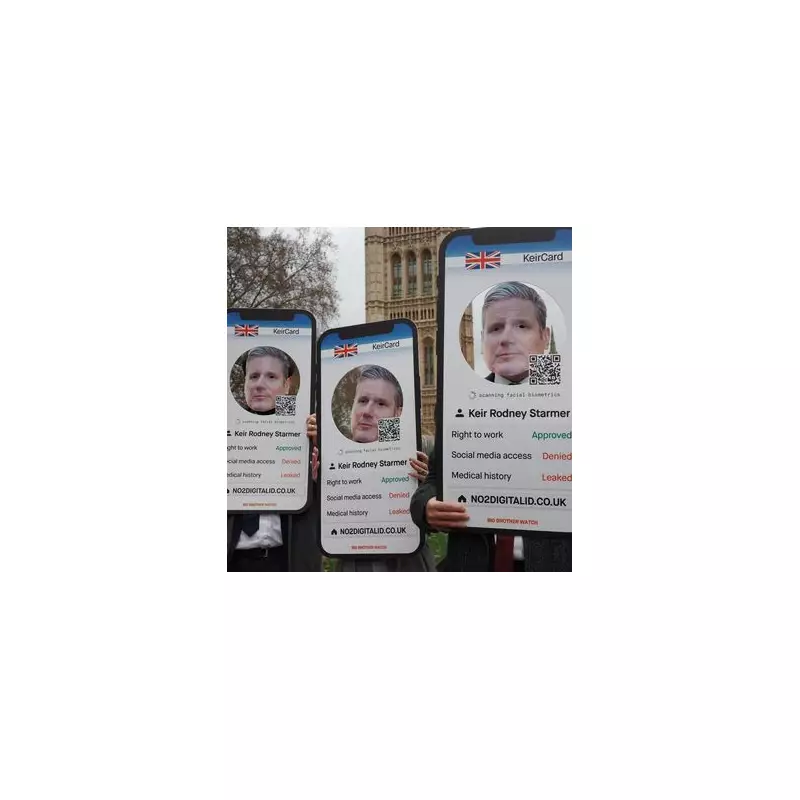
In a significant policy reversal, the UK government has announced a major climbdown on its plans for a mandatory digital identification system. Following weeks of intense criticism, ministers have now confirmed that a range of digital documents will be accepted to prove an individual's right to work.
A Major Policy Shift on Digital Verification
Labour minister Heidi Alexander confirmed the shift on 14 January 2026. The government had previously insisted that a new, specific digital ID card would be compulsory for anyone seeking employment in the UK. Under the revised plans, digital documentation such as a biometric passport chip or an e-visa will now be deemed acceptable for right-to-work checks conducted by employers.
Ms Alexander stated that while change would take time, progress was being made. She emphasised the government's continued commitment to mandatory digital checks, but with expanded options. "Now that might be that someone has the digital ID that the government makes freely available. It's on their phone," she told Sky News. "Equally, it might be the check of a biometric chip in a passport, which is digitally done."
Chancellor Rachel Reeves echoed this more flexible stance, telling BBC Breakfast the government was "pretty relaxed" about the form of digital documentation used. The core requirement for a mandatory digital check remains, but the type of ID has been broadened.
Public Opinion and Political Pressure
The U-turn follows a dramatic collapse in public support for the digital ID scheme. Polling showed backing plummeted from 35% in early summer to -14% after Prime Minister Keir Starmer announced the plans ahead of Labour's annual conference in September.
Despite the unpopularity, Mr Starmer vowed in October to push ahead, highlighting potential benefits like using digital ID to buy alcohol or to simplify rental applications for students. The policy was initially framed as a key tool in a crackdown on illegal working, with the PM stating in September: "You will not be able to work in the UK if you don't have a digital ID, it's as simple as that."
However, the proposals faced fierce opposition from MPs and civil liberties campaigners, who raised major concerns over privacy, data security, and state surveillance. Silkie Carlo, director of Big Brother Watch, told the Home Affairs Select Committee in November that the policy had been so badly managed it was now "irrecoverable" for the government.
What Happens Next?
The government's original vision involved digital IDs stored in the official GOV.UK wallet app on smartphones, allowing instant verification against a central database. While this concept remains, the pathway to it has been altered.
Minister Alexander defended the move towards digital records, arguing the current "mish-mash of a paper system" hinders enforcement against illegal working. A public consultation on the future of digital ID cards is set to be launched in the coming weeks, offering a chance for further scrutiny and feedback on the revised approach.
This climbdown marks a notable moment for the government, balancing its ambition for digital innovation in immigration control against tangible public and political concerns over personal liberty and implementation.