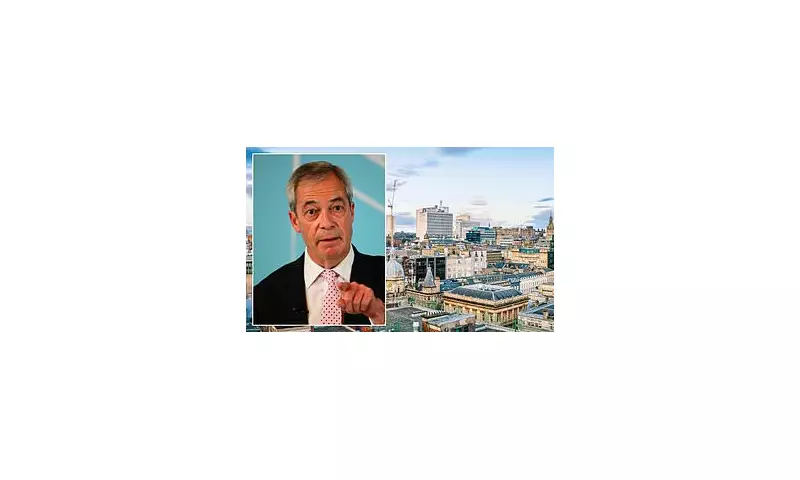
Glasgow has become the local authority housing the highest number of asylum seekers in the United Kingdom, with figures approaching 4,000 by the close of September. This situation, funded by Scottish taxpayers, is unfolding amid what critics describe as a lack of public consent for the immigration policies of the SNP and Labour.
A Crisis of Capacity and Public Anger
The strain on public services is becoming increasingly evident. Glasgow City Council has officially declared a housing crisis, with waiting lists reaching record levels. A stark illustration of changing demographics was highlighted this week with the revelation that nearly one in three children in Glasgow does not speak English as their first language.
Concerns are amplified by weekly arrivals of new asylum seekers, many of whom are reported to be young men who have discarded identification documents during their journey. They are accommodated at public expense and are free to move within communities, a point of significant contention.
The town of Falkirk has emerged as a focal point for public discontent. This follows the sentencing of 29-year-old Sadeq Nikzad, an Afghan asylum seeker housed in Falkirk's Cladhan Hotel, to nine years in prison for the rape of a 15-year-old girl in the town centre. His defence solicitor cited a 'cultural barrier', noting child marriage was common in his home country—a statement that provoked widespread outrage.
This assault has triggered sustained weekly protests outside the hotel, with local Reform UK Councillor Claire Mackie-Brown being a vocal supporter of the campaign.
Political Shift: The Rise of Reform UK
This immigration crisis is cited as a primary driver behind the surging popularity of Reform UK in Scotland. The party, which has gone from relative obscurity to beating Labour in recent local by-elections in areas like Clydebank and Fife, now claims second place in national polling for Scotland.
Nigel Farage, who addressed a sold-out rally in Falkirk, stated that Scottish politics is now a direct contest between the SNP, representing the old establishment, and Reform UK as the party of radical change. He argues that after 26 years of governance by the SNP and Labour in Scotland, life has not improved for the nation's people.
Beyond immigration, Reform UK criticises the deindustrialisation of Scotland, blaming the 'crazed pursuit of Net Zero' for soaring energy costs and job losses. They point to the closure of Scotland's last oil refinery at Grangemouth and the shutdown of ExxonMobil's Mossmoran plant in Fife, with over 400 jobs at risk. They accuse both the SNP government and Labour's energy chief, Ed Miliband, of hammering the North Sea industry with exploration bans.
A Record of Failure and a Promise of Change
Reform UK's platform condemns what it labels a broader record of failure under the SNP and Labour. They highlight Scotland's fall in international education rankings, a university funding crisis, rising crime—especially sexual assaults—and drug death rates that remain the highest in Europe. NHS waiting lists are longer than ever, and nearly a quarter of a million children live in poverty.
In response, Reform UK has laid out a series of pledges for Scotland. These include scrapping Net Zero targets to exploit North Sea resources, cutting energy costs, and supporting fishermen and farmers. On law and order, they promise a crackdown on crime with more police and increased stop-and-search powers.
Their most definitive promises concern immigration. A Reform UK government vows to end the asylum crisis by closing asylum hotels, detaining and deporting thousands of illegal immigrants, and stopping small boat crossings using the Royal Navy if necessary. Perhaps most significantly, they pledge to quit the European Convention on Human Rights and scrap the UK Human Rights Act to prevent courts, as they see it, siding with illegal immigrants over the British public.
With Reform UK topping over 175 successive UK opinion polls, the party believes it is channelling public anger into hope, offering a stark alternative to the parties they hold responsible for breaking Scotland.