
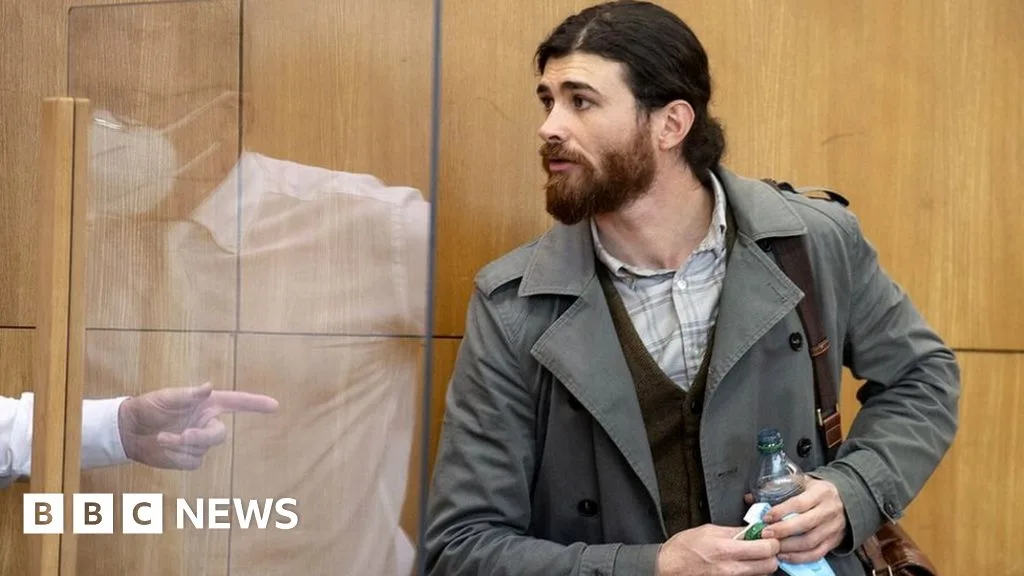
A German military officer has gone on trial, accused of posing as a Syrian refugee and planning far-right terrorist attacks on politicians and public figures. The officer, identified only as Lt Franco A due to German privacy rules, was based in France and led a double life as a registered asylum seeker named David Benjamin.
Prosecutors allege that the officer compiled a list of potential targets, including German Foreign Minister Heiko Maas, the deputy speaker of parliament, and a Jewish activist. They claim he intended to use his fake Syrian identity to carry out attacks and blame them on a refugee, thereby fuelling anti-Muslim sentiment. A stockpile of ammunition and explosives was found hidden in his parents' basement, later moved to a friend's house.
The officer was caught in 2017 when he attempted to retrieve a handgun that a cleaner had discovered in a toilet at Vienna airport. His double life unravelled after authorities matched his fingerprints to those he had used to register as a Syrian Christian asylum seeker near Frankfurt. He is also alleged to have been part of a far-right survivalist network called 'Hannibal', which intelligence officers believe was preparing for the collapse of the German state.
The defendant denies the terrorism allegations, insisting he is not an extremist and never planned any attacks. He claims his motive for assuming a false identity was to expose flaws in Germany's asylum system. Ahead of the trial, he told French newspaper Le Figaro: 'I wanted to get to the bottom of it personally, and check just how far the concept of asylum had been abused by the German authorities to the detriment of security.'
The case originally opened three years ago but was dismissed by a lower state court in Frankfurt, which ruled there was not an 'overwhelmingly high probability' that he was planning an attack. Federal prosecutors appealed, and the case has now reached a higher court. If convicted, the officer could face up to ten years in prison. His defence lawyer condemned what he called a 'smear campaign' against his client.




