
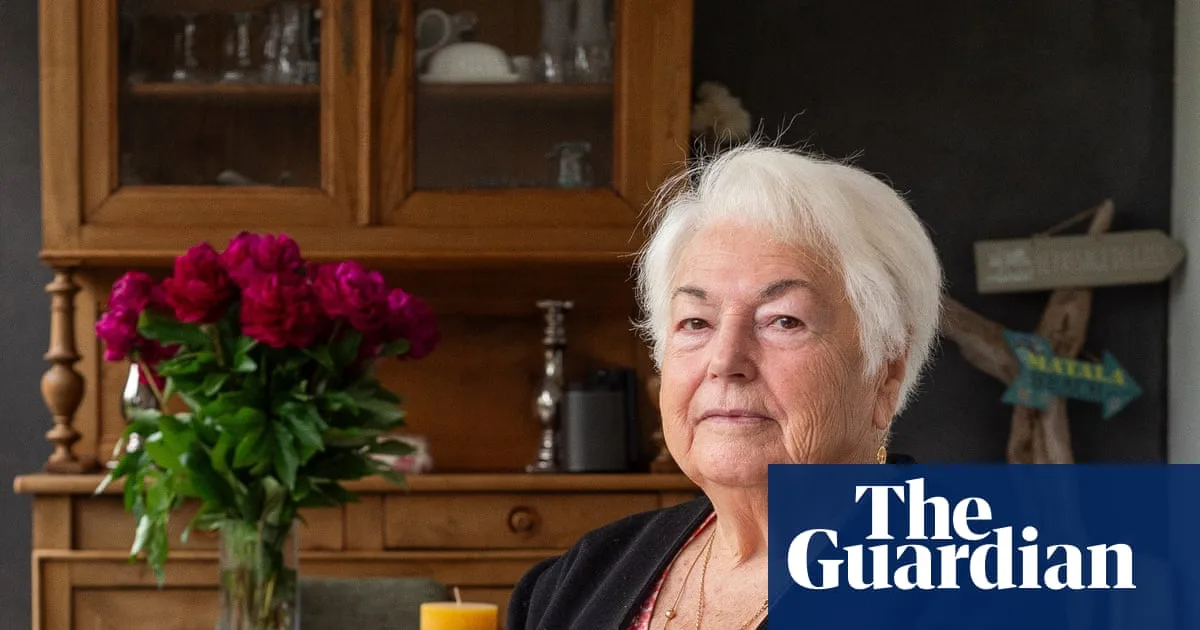
Marie-Thérèse Ross-Mahé, the 85-year-old French widow whose detention by US immigration authorities made global headlines, has spoken out about her experience. She was held for nearly a month in a Louisiana facility after missing an immigration appointment, an arrest she described as sudden and bewildering.
Ross-Mahé had moved to the US to marry her 1950s sweetheart, William B Ross, a former US soldier. After both were widowed, they rekindled their romance and wed in April 2025. However, when Ross died in January, a dispute over his estate led his sons to redirect his mail, causing her to miss a visa-related appointment.
On 1 April, immigration officers arrested her at her Alabama home. She was still in her pyjamas and bathrobe when they handcuffed her. Two days later, she was transferred to a facility in Basile, Louisiana, where she was held with 58 other women, mostly mothers. 'Some of them didn't know where their children were,' she said. 'I think it's terrible for a woman not to know where her children are.'
Ross-Mahé described strict rules and constant shouting from guards. 'The guards could not speak without yelling,' she said. 'But when silence came, you could hear children crying and even babies crying.' Despite the harsh conditions, she recalled moments of kindness: 'During the night, if my bedcover slipped away, I felt a small hand putting it back.' The other detainees called her 'Grandma', and she still wears a friendship bracelet given by a fellow inmate.
The French government intervened, with Foreign Minister Jean-Noël Barrot calling for her release and criticising ICE methods. A probate judge also called for an investigation, alleging that one of Ross's sons used his position as a federal employee to prompt her detention. The stepson denies any involvement.
Now back in France, Ross-Mahé is struggling with memory gaps and emotional distress. She said her experience has changed her view of the US, which she once saw as a 'country of freedom'. She continues to think about the women she met, most from South America, and plans to seek treatment for symptoms consistent with post-traumatic stress.




