Coroner refers Filipino migrant worker's death to AFP over exploitation claims
Filipino trainee's death referred to federal police

A New South Wales coroner has formally referred the death of a young Filipino migrant worker to the Australian Federal Police (AFP) for potential criminal investigation, after concluding he was exploited and subjected to "potentially criminal" conduct during his brief time in Australia.

Deplorable conduct and a tragic death

Deputy State Coroner Rebecca Hosking handed down her findings on Friday into the death of 21-year-old Jerwin Royupa, who died in March 2019. The coroner determined Royupa, an agriculture graduate who arrived on a temporary subclass 407 training visa, was "exclusively" performing manual labour with no educational training, contrary to what he was promised.

Royupa died from complications of multiple blunt force injuries the day after he exited a moving van driven by his visa sponsor. Hosking found that in the days preceding his death, Royupa had become "increasingly fearful" of this sponsor. On 14 March 2019, the sponsor threatened to take him to the airport or police, after which Royupa voluntarily left the vehicle.

The coroner described the sponsor's subsequent actions as "deplorable". He failed to immediately call an ambulance while Royupa lay unconscious, made disparaging remarks to a paramedic, and left the scene after being instructed not to.

A system ripe for exploitation

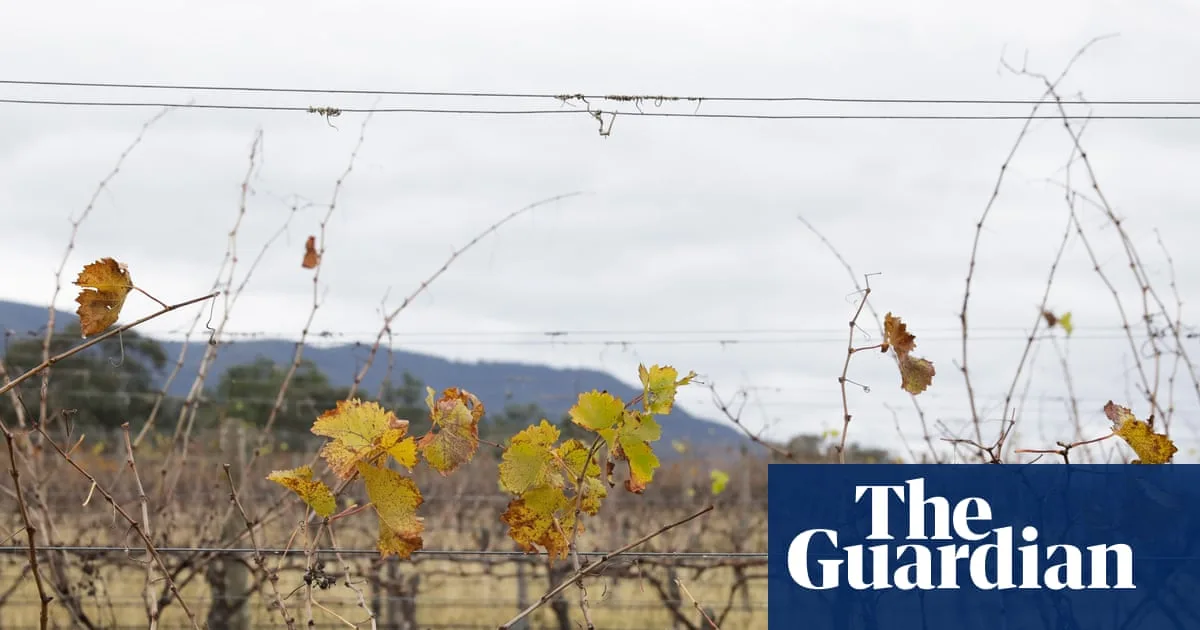
The inquest heard shocking details of Royupa's working conditions during his five weeks in Australia. He was required to work up to 60 hours per week at a winery, outdoors in excessive heat without appropriate clothing or sun protection. This was completely at odds with the proposed training schedule.

Financially, he was severely exploited. He was promised a "generous allowance" that Coroner Hosking labelled "wholly inadequate" – a proposed monthly base salary of just $134.92 for six days of ten-hour work. He received no payments during his time in Australia, as the sponsor told him salary would be withheld for six months.

Furthermore, Royupa did not have access to his passport while living at the winery. The Coroner accepted the Department of Home Affairs' view that approving the 407 visa was "inappropriate", noting that a separate nomination by the same sponsor after Royupa's death was rejected for not being a "genuine" training opportunity.

Landmark inquest and key recommendations

The three-day inquest in December 2024 was the first in Australia to examine forced labour concerns since modern slavery offences were criminalised in 2013. Coroner Hosking made six key recommendations.

She has referred the coronial brief and hearing transcripts to the AFP for consideration of further investigations. She also recommended the Home Affairs Minister conduct an internal review to identify "lessons learned" and consider a formal review into the department's role in approving 407 visas that may facilitate exploitation.

Other recommendations include that the NSW Police Commissioner work with the state's Anti-Slavery Commissioner to develop mandatory modern slavery training for officers in high-risk regional areas.

A Department of Home Affairs spokesperson expressed condolences and stated the department is working on strengthened regulations for the training visa. They noted refusal rates for the subclass 407 visa in 2025-26 now sit at 45%, citing "close scrutiny" of all applications.




