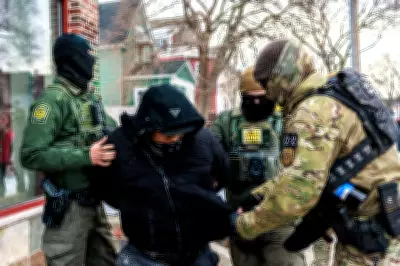

Federal law enforcement officers have employed aggressive tactics, including teargas and flashbang grenades, against demonstrators in Minneapolis. The clashes occurred on Tuesday, marking a significant escalation nearly a week after the fatal shooting of a local resident, Renee Good.
Confrontation on the Streets
The protest was organised by citizens objecting to the continued presence and perceived violent methods of federal immigration officers in the city. In response to the gathering, agents from US Immigration and Customs Enforcement (ICE) and other federal units deployed chemical irritants and pyrotechnic devices.
Officers used teargas, pepper balls, and stun grenades, known as flash bangs, to disperse the crowd. The scene, captured on video, showed clouds of chemical agents filling the air as loud detonations echoed through the streets. This forceful response has intensified the existing local tensions surrounding federal immigration enforcement.
Arrests and Official Warnings
The operation resulted in eight individuals being taken into custody in Minneapolis. The arrests came as Trump administration officials issued stark warnings to protesters, signalling a firm stance against demonstrations targeting federal authorities and property.
This incident is directly linked to community outrage over the death of Renee Good, whose shooting by federal agents last week has become a flashpoint for local activism. Protesters are demanding accountability and an end to what they describe as heavy-handed enforcement operations in their communities.
Broader Implications and Fallout
The use of such crowd-control measures by federal agents on American soil continues to be a deeply contentious issue. This event in Minneapolis is likely to fuel further debate over the appropriate role and conduct of federal law enforcement in domestic protest situations.
As the city grapples with the aftermath, questions remain about the long-term strategy for federal engagement in urban centres and the protection of civil liberties during demonstrations. The clash underscores the ongoing national conflict between protest movements and federal authority under the current administration.