Durham Parents Form Human Shield Against ICE Raids in North Carolina
Durham community resists ICE with school patrols and food aid

In the heart of North Carolina, a community is mounting a formidable defence against federal immigration enforcement, transforming fear into a powerful network of mutual aid and protection. The city of Durham, with its history of progressive activism, has seen parents, teachers, and neighbours swiftly organise in response to a surge in Immigration and Customs Enforcement (ICE) and Customs and Border Protection (CBP) activity.

A Perimeter of Protection: Parents Patrol School Gates

On the morning of 19 November, before the school bell rang, a remarkable scene unfolded outside schools across Durham. Dozens of parents, many of them fathers, gathered in the early light. They distributed whistles and gloves before taking up positions along school perimeters, forming ad hoc welcoming committees and a visible deterrent against potential immigration enforcement actions.

This rapid response was triggered by a massive statewide campaign by federal agents in the week before Thanksgiving, which saw masked officers in tactical gear patrolling neighbourhoods and shopping centres. ICE arrests in North Carolina doubled in 2025 compared to the previous year, reaching 3,400 arrests between 20 January and 15 October. For a city where 35% of public school students are Latino, the threat felt immediate and personal.

From Food Pantries to Rideshares: The Infrastructure of Care

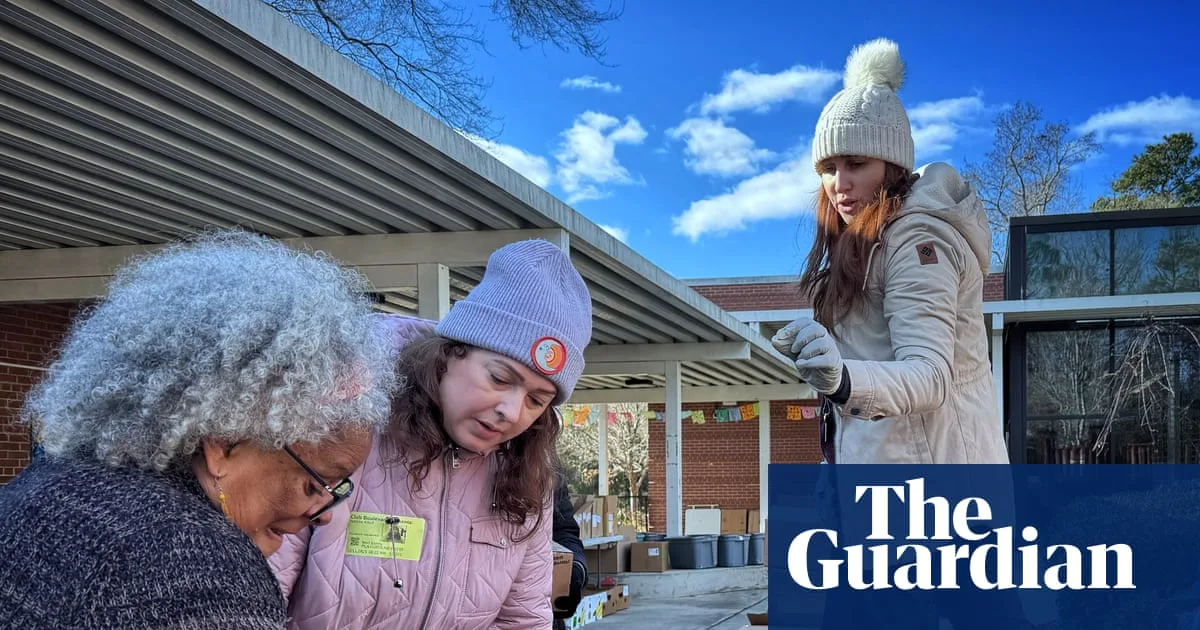
The community's reaction was not limited to watchful patrols. Norma Portillo, the PTA president at Club Boulevard Elementary and an immigrant from Honduras, immediately activated networks to provide rideshares for families too afraid to leave their homes to take their children to school. Simultaneously, she and other volunteers, mostly mothers and grandparents, ramped up the school's weekly food pantry, using the same rideshare network to make deliveries directly to families in need.

"I am so touched by how the community is willing to help people," Portillo said. "I feel so blessed that we have this kind of connection with citizen families. We not only respect each other, but we care for each other."

This model of care extends beyond immediate crisis response. Dean Fitzgerald, a father standing guard at a school, explained the dual purpose: "Mostly, we need parents to feel safe to bring their kids back to school... Is something [like agents entering campus] going to happen that we need to get in front of? We don’t want to have to [intervene]. But that’s why I’m here."

Legacy of Organising: From Past Fights to Present Action

Durham's swift mobilisation is rooted in a deep history of community organising, particularly within its schools. Teachers have consistently been on the frontline alongside students and parents. Holly Hardin, a middle school teacher at Lakewood Montessori, emphasised that this work is part of a long tradition of resilience.

"Durham and the south have always been home to so much courage and noncompliance and resiliency in the face of historic oppressions," Hardin said. "It’s not building a model of charity. It’s building a model of intentional care for each other, larger than any one group."

This ethos was forged in past battles, most notably the 2016 case of Wildin Acosta, a Durham high schooler arrested by ICE officers outside his home. Hardin and a coalition of teachers and students fought for months for his release from a Georgia detention centre, strengthening the very networks being used today. Some of the students who advocated for Acosta are now teachers or parents themselves, perpetuating the cycle of community defence.

Policy Push and Persistent Fears

The organising extends to the halls of local government. In September, the Durham city council declared the city a "fourth amendment workplace" after ICE agents appeared at the county courthouse. The resolution, introduced by council member Javiera Caballero—the first Latina elected to the council and a former PTA president at Club Boulevard—aims to protect against arbitrary searches and arrests.

Yet, anxiety persists, especially regarding school safety. Grassroots group Durham Public School Strong (DPSS) formed in November to advocate for clearer district directives if ICE enters a campus. Current policy requires a judicial warrant and directs agents to a district superintendent, but many believe this is insufficient.

Megan McCurley, a Latina parent and preschool director, stressed: "Having a plan reduces anxiety. The district never released anything." This concern is echoed in classrooms, where students like Yair, a ninth grader, directly challenged the school board, asking: "Are you telling us that this is a normal time in our democracy? We need a policy that will protect us."

As the community braces for an uncertain future, the words of DPSS founder Magan Gonzales-Smith resonate: "We have to find ways to be more bold, assertive and creative, and believe that when we do so, we are stronger together than what we’re up against." In Durham, the act of watching a school gate or delivering a food parcel has become a profound statement of solidarity and resistance.