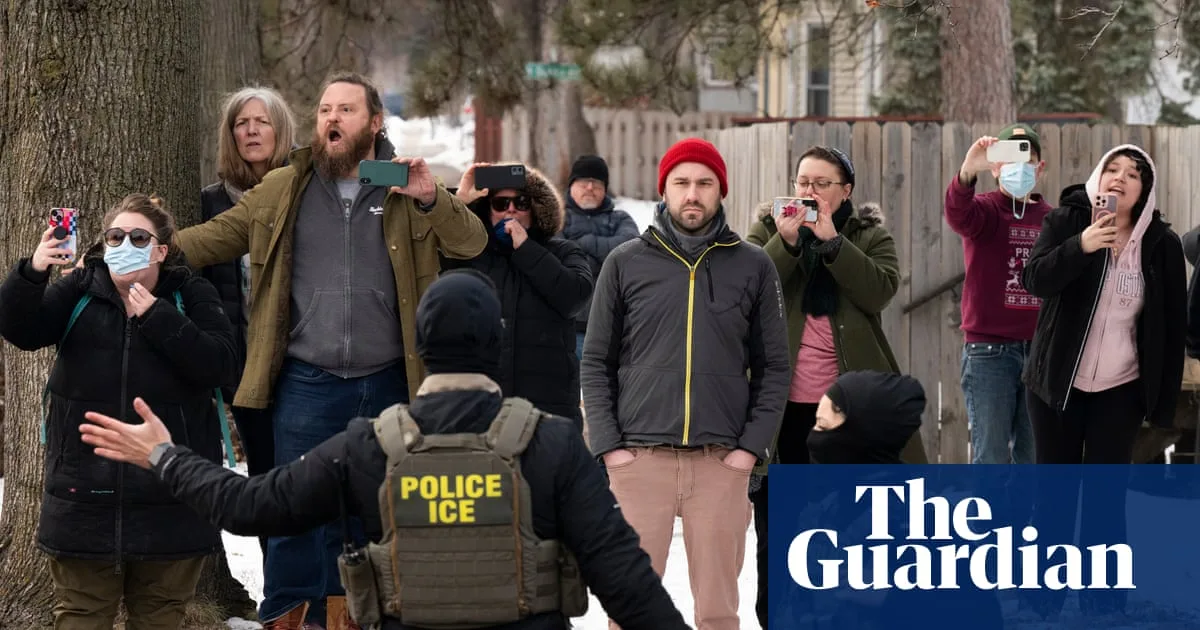
The United States Justice Department has faced significant setbacks in its high-profile campaign to prosecute individuals accused of assaulting federal officers during protests against former President Donald Trump's immigration policies, a major investigation has found.
Felony Charges Evaporate Under Scrutiny
The Associated Press examined 166 federal criminal cases brought since May against people in four Democratic-led cities at the heart of demonstrations: Washington D.C., Los Angeles, Portland, and Chicago. The findings reveal a pattern of aggressive charges that frequently failed to hold up.
Of the 100 people initially charged with felony assaults on federal agents, 55 saw their charges reduced to misdemeanours or dismissed outright. At least 23 pleaded guilty, mostly to reduced charges in plea deals resulting in little or no jail time. More than 40% of all cases involved relatively minor misdemeanour charges, undermining claims that many accused were domestic terrorists.
All five defendants who have gone to trial so far, including Sidney Lori Reid, were acquitted. Reid, a 44-year-old animal hospital worker, was jailed for two days on a felony charge after a July protest in Washington D.C. Body camera footage later revealed she had not intentionally struck an agent; the agent scratched her hand on a wall while assisting another officer who had shoved Reid. Jurors took less than two hours to acquit her.
A Pattern of Weak Evidence and Downgraded Cases
Legal experts point to several factors explaining the mixed record. Prosecutors sometimes failed to win grand jury indictments. In other instances, video evidence and testimony contradicted initial allegations, leading to downgraded offences. In dozens of cases, officers suffered only minor injuries or none at all, undercutting a key component of the felony assault charge.
"It's clear from this data that the government is being extremely aggressive and charging for things that ordinarily wouldn't be charged at all," said Mary McCord, a former federal prosecutor now at Georgetown University Law Center. "They appear to want to chill people from protesting against the administration's mass deportation plans."
Notable cases that dissolved include that of Marimar Martinez, a 30-year-old teaching assistant. Charged with felony assault and labelled a "domestic terrorist" in a DHS press release for allegedly trying to ram a Border Patrol agent with her car in Chicago, all charges were dropped last month. Video evidence reportedly showed the agent steered his vehicle into Martinez's truck, not the other way around.
Similarly, charges against 70-year-old Air Force veteran Dana Briggs were dropped after video emerged of federal agents knocking him to the ground during a Chicago protest.
Rhetoric Versus Courtroom Reality
The Justice Department, under Attorney General Pam Bondi, has pledged "severe consequences" for those assaulting officers and ordered prosecutors to seek the "highest provable offence." Department spokesperson Natalie Baldassarre stated, "We will not tolerate any violence directed toward our brave law enforcement officials."
However, former prosecutor Randall Eliason noted, "Many of these cases also show how the rhetoric on Twitter and in press releases and statements is not surviving the courtroom. What that tells you is that the Trump administration is hoping to send a message and chill future protests, not pursue serious criminal cases."
The administration has sought to justify military deployments by painting protesters as "antifa," a term Trump has sought to designate as a "domestic terrorist organisation." White House spokeswoman Abigail Jackson stated, "President Trump will not turn a blind-eye to the sustained campaign of violence destroying American cities."
Yet the AP's review found only a handful of references to "antifa" in court records for the 166 cases and no instance where federal authorities officially accused a protester of being a "domestic terrorist" as part of an organised effort.
From the start of Trump's second term through 24th November, the Department of Homeland Security reported 238 assaults on Immigration and Customs Enforcement personnel nationwide, up from 19 during the same period last year. The agency declined to provide details on how it defines assaults.
Despite the high-profile push, the struggle to secure convictions raises profound questions about the strategy's effectiveness and its impact on First Amendment rights, with numerous lives disrupted by arrests and prosecutions that ultimately faltered.




